Import Non-Basmati Rice from India to Liberia
Alstoe India Exports supplies Indian parboiled and raw non-basmati rice to Liberia's licensed rice importers through a strong network of verified suppliers across India's rice belts. We mill and pack to the market benchmark, parboiled 5% broken in 25 kg bags, and to your own specification, ship to the Freeport of Monrovia, and deliver a document set that supports your import permit, your bank and clean clearance.
Rice in Liberia: the staple that runs on imports
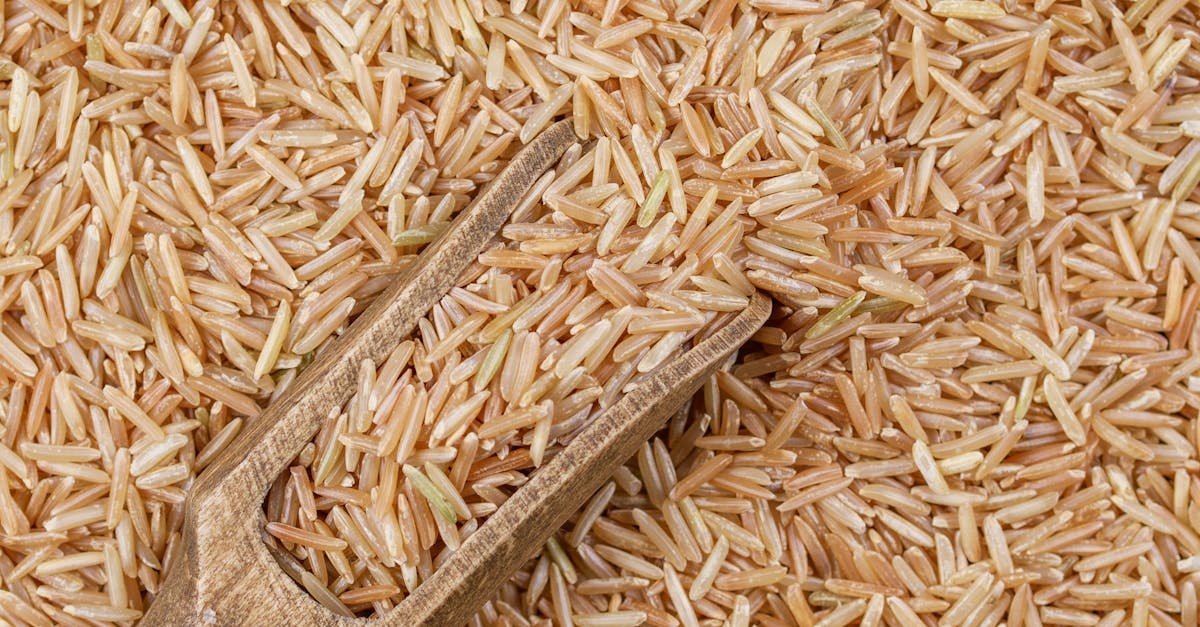
No market in West Africa depends on imported rice the way Liberia does. Rice is the national staple, supplying around half of adult calorie intake and taking a meaningful share of household spending, yet domestic farming covers only a fraction of demand: of roughly 809,000 tonnes consumed in 2021, only about 174,000 tonnes, around a fifth, was grown locally. The rest arrives by sea, with India among the leading origins, and the country's benchmark product is precisely what India mills best: parboiled rice, 5% broken, packed in 25 kg bags.
Because rice is this central, the state stays close to the trade. Importation is licensed by the Ministry of Commerce and Industry under its administrative guidelines for rice, with Import Permit Declarations (IPDs) issued to approved importers, stock and reporting obligations attached, and availability and retail pricing actively monitored. For years the trade sat with a small circle of major houses; since 2024 the ministry has granted IPDs to new Liberian enterprises as well, opening the door for firms that now need a dependable Indian supply partner behind their permit.
The lane has also lived through India's policy cycle. Liberian importers spent 2023 and 2024 absorbing India's parboiled export duty and ban-era restrictions on white rice, on top of rerouted freight. That era is over: Indian non-basmati exports are fully open again, the duty, quotas and minimum export price are gone, and the one standing condition, APEDA contract registration per export, sits on our side and is completed before loading.
At Alstoe India Exports, we supply this market on its own terms: the benchmark parboiled specification held lot after lot, the 25 kg bag done properly, and documents that support your IPD, your bank and clearance at the Freeport, as part of our full non-basmati rice range.
The export-duty era is over
The Indian parboiled export duty and ban-era restrictions that squeezed Liberian importers through 2023 and 2024 have been removed. Exports are fully open on commercial terms, with APEDA contract registration per export the one procedural step, completed by us. We state the current policy position on every quote, so you price shipments on today's rules, not last year's.
Non-basmati varieties we supply to Liberia
Liberia buys around one benchmark, parboiled 5% broken in 25 kg bags, with raw white grades and a price-led tier around it. We supply four varieties from the current crop, milled to that benchmark or to your own specification against approved samples.
| Variety | Crop | Available Forms | Best For in Liberia |
|---|---|---|---|
| PR 26Market Benchmark | 2025 | Raw, Steam, Sella, Golden Sella | Parboiled (sella) 5% broken in 25 kg bags, the standard the market prices against |
| Parmal | 2025 | Raw, Steam, Sella, Golden Sella | Parboiled and raw long grain for wholesale and distributor programmes |
| IR 64 | 2025 | Raw, Sella | Price-led volume, institutional supply and the value shelf |
| Sona Masoori | 2025 | Raw, Steam | Medium-grain and specialty demand alongside the parboiled staple |
Non-pesticide Parmal is available on request for buyers who need the cleanest residue profile. Crop year is declared per lot, broken percentage and sortex finish are agreed against approved samples, and broken rice as a standalone product remains subject to Indian export restrictions, confirmed per shipment.
Stocking aromatic rice for the top shelf as well? See our basmati rice range.
Broken percentage: the spec that sets the price
For non-basmati rice, broken percentage is the single most important commercial specification, and in Liberia the market benchmark itself is defined by it: parboiled at 5% broken. It sets the price tier and the shelf position, and it is where careless suppliers cost importers real money.
Up to 5% broken grains, mostly whole and intact. In parboiled form this is the standard the Liberian market prices, retails and regulates against, and the grade your consignments will be judged by.
The price-led bulk grade for the value shelf, institutional supply and cost-sensitive programmes, balancing affordability with dependable cooking quality.
Colour-sorted at either grade to remove discoloured grains and foreign matter, keeping bag-to-bag appearance consistent, which matters in a market where the retail bag is the brand.
The agreed percentage is fixed in writing on the order confirmation and verified on the Certificate of Analysis for every lot, with third-party inspection at loading on request.
What Liberia requires, and who handles what
Rice is a regulated staple in Liberia, so the import permit sits at the centre of the trade. Here is the split between what you hold as the importer, what happens per consignment, and what we handle from India.
Your side, set up once (Liberian importer)
- Business statusRegistered business with an LRA tax identification number
- Rice licenceImport Permit Declaration (IPD) from the Ministry of Commerce and Industry
- Permit conditionsStock and reporting obligations attached to the IPD
- ClearanceLicensed customs broker at the Freeport of Monrovia
- BankingLC or advance through your bank
Per consignment (shared)
- Customs declarationFiled by your broker with Liberian customs
- Duty and taxesPer current policy for the staple, confirmed with your broker
- Food standardsQuality checks on food consignments at entry
- Plant healthPhytosanitary certificate accepted at entry
- Market reportingArrival and stock positions per your IPD conditions
Two features define this lane. First, the permit layer: the IPD is not a formality but a working licence with conditions, so shipment schedules, quantities and documents need to line up with what your permit says, and we build the export paperwork around the permit details you give us. Second, the price-managed retail environment: because government monitors availability and pricing of the staple, an importer's margin lives or dies on landed cost discipline, which is why specification drift, demurrage and document rework are treated here as commercial risks, not clerical ones. Duty and tax treatment for rice follows current government policy for the staple and is confirmed with your broker before a consignment is priced.
What we hold in India
IEC from the DGFT, APEDA registration and APEDA contract registration for every non-basmati export. FSSAI, HACCP and ISO certifications are held across the supplier and manufacturer network.
What we test before despatch
Every lot is lab-tested for broken percentage, moisture and admixture against your agreed specification, with a Certificate of Analysis per lot and fumigation done to certified standards for the Atlantic voyage.
What travels with the cargo
Commercial invoice, packing list, bill of lading, certificate of origin, phytosanitary, fumigation and quality certificates, matched to your LC terms and your IPD details, released early to your broker.
Six sourcing risks and how we remove them
Stale policy assumptions from the duty era
Guides and old quotes still price Indian parboiled with an export duty on top, or assume white rice needs government channels, rules that no longer exist.
Current policy stated on every quote
The duty, ban and quotas are gone and exports are fully open. We quote against the exact current position, APEDA contract registration included, and flag pending changes we see before they reach the water.
Benchmark drift on the parboiled spec
A lot sold as parboiled 5% broken arrives over-broken or uneven in colour, and in a market that prices one benchmark, off-spec cargo sells at a discount you absorb.
Benchmark locked and lab verified
Broken percentage, parboil colour and finish are fixed in writing against your approved sample and verified on the Certificate of Analysis for every lot, with third-party inspection at loading on request.
Margins squeezed in a price-managed market
With retail pricing of the staple actively monitored, every avoidable cost, demurrage, rework, re-inspection, comes straight out of a margin you cannot simply reprice.
Landed-cost discipline end to end
Clean documents released early, container data matching the papers exactly, and specification held lot after lot, so your landed cost stays where you planned it.
Moisture trouble on a long, humid voyage
Rice above safe moisture cakes and moulds across three to four weeks at sea and in port storage, and you paid rice prices for water weight.
Moisture certified at safe levels
Moisture is tested and certified, typically at a maximum of 14%, on the Certificate of Analysis for every consignment, with export-grade bagging suited to the Atlantic lane.
Documents out of line with the permit
Paperwork that does not match the IPD details or the LC terms means bank refusals, clearance queries and storage charges at the Freeport.
One consistent, permit-aligned set
Invoice, packing list, bill of lading, origin, phytosanitary, fumigation and quality certificates are prepared to match your IPD details and your bank's terms word for word, checked before the vessel sails.
New permit holders without a supply partner
Newly licensed Liberian importers hold an IPD but face an origin market of unknown mills, trading intermediaries and quality risk they have no way to verify from Monrovia.
A verified network behind your permit
We put a strong network of verified suppliers behind your licence: approved samples before you commit, certified lots, trial-container starts, and one accountable exporter handling the Indian side end to end.
From Indian ports to the Freeport of Monrovia
| Leg | Route | Notes |
|---|---|---|
| Sea, India to Liberia | Nhava Sheva or Mundra to the Freeport of Monrovia | Roughly three to four weeks depending on service and transshipment |
| Container standard | 20 ft and 40 ft FCL | Rice typically loads in 20 ft units at approximately 25 to 27 tonnes depending on packing |
| Port clearance | Freeport of Monrovia | Cleared by your licensed broker against the IPD, with quality checks on food consignments |
| Inland distribution | Monrovia wholesale markets and up-country trade | 25 kg bags palletised or loose-stuffed to your handling preference |
Documents are couriered and emailed ahead of vessel arrival so your broker can file before the ship berths, and despatch is timed against your permit position and stock obligations rather than against our convenience.
Packing matched to your market
Materials and options: PP woven bags from 5 kg to 50 kg with custom branding, and English labelling proofed before print. In this market the bag is the brand, so print quality, weight accuracy and stitching are treated as part of the specification, and pack weights and artwork are confirmed at order.
Liberian buyer categories we support
Established Licensed Importers
Major houses running repeat programmes on the benchmark specification with strict landed-cost discipline.
Best fit: PR 26 golden sella, 5% broken, 25 kg, repeat FCLsNew IPD Holders
Newly licensed Liberian enterprises entering the rice trade and needing a verified Indian supply partner behind the permit.
Best fit: trial container, benchmark spec, third-party inspectedWholesalers and Distributors
Traders supplying Monrovia's markets and up-country distribution on dependable arrival schedules.
Best fit: Parmal parboiled or raw, 25 kg, scheduled arrivalsInstitutional and Programme Buyers
Organisations supplying staple rations on strict specification, documentation and inspection.
Best fit: IR 64, 25% broken, 50 kg, inspected at loadingHow to import non-basmati rice from India
Send Enquiry
Share variety, broken grade, quantity and packing, plus your IPD position and LC or advance preference.
Receive Quote
FOB, CFR or CIF Monrovia pricing within 24 hours, quoted against the current policy and freight position.
Approve Sample
Pre-order sample so you verify grain, parboil colour, broken percentage and finish before committing.
Milling, QC, Registration
Milling, sortex grading where agreed, lab testing, fumigation and packing, with APEDA contract registration completed before loading.
Despatch and Clearance
Containers sail on the approved service with the full document set released early, supporting your broker's clearance at the Freeport.
Export documents with every shipment
Certificate of Analysis (COA)
Lab results per lot: broken percentage, moisture, admixture and grain profile
Phytosanitary Certificate
Issued by Plant Quarantine India, presented at entry
Fumigation Certificate
Pest-free certification for every consignment
Certificate of Origin
Confirms Indian origin for customs and your records
Commercial Invoice and Packing List
Matched to your LC terms and IPD details word for word
Bill of Lading
Container and routing details exactly as booked
APEDA Contract Registration
Completed by us for every non-basmati export, as required since September 2025
Quality / Inspection Certificate
Against the agreed specification, third-party at loading on request
Early Document Release
Full set couriered and emailed ahead of vessel arrival for pre-filing
Request a Liberia rice export quote
Share your requirement and we respond within 24 hours with suitable varieties, broken grade options, packing recommendations and clear commercial next steps.
Liberia rice import questions, answered
Is Indian non-basmati rice currently free for export to Liberia?
Yes. The parboiled export duty and the ban-era restrictions that squeezed this lane in 2023 and 2024 have all been removed. Exports move on normal commercial terms, with one procedural step on the exporter's side, APEDA contract registration for each export, which we complete before loading.
What does a Liberian importer need to bring in rice from India?
A registered business with a Liberia Revenue Authority tax identification number, an Import Permit Declaration for rice from the Ministry of Commerce and Industry with its stock and reporting conditions, a licensed customs broker at the Freeport of Monrovia, and banking arrangements for a letter of credit or advance payment.
What is an IPD and why does it matter?
The Import Permit Declaration is the Ministry of Commerce and Industry's licence to import rice, issued under its administrative guidelines because rice is Liberia's regulated staple. It is a working licence with conditions attached, so shipment schedules, quantities and documents need to line up with the permit, and we build the export paperwork around the IPD details you provide.
What rice does the Liberian market actually buy?
The benchmark is Indian parboiled rice at 5% broken in 25 kg bags, which is what the market prices, retails and regulates against. Around it sit raw white long grain for wholesale programmes, a 25% broken value tier for price-led and institutional supply, and smaller medium-grain and specialty demand.
What duty applies on rice imports into Liberia?
Rice is a politically sensitive staple, so its duty and tax treatment follows current government policy rather than a fixed long-term rate, and it has been kept deliberately favourable to protect availability. The applicable position is confirmed with your customs broker before a consignment is priced.
How long does shipping take from India to Monrovia?
Roughly three to four weeks from Nhava Sheva or Mundra to the Freeport of Monrovia, depending on the service and transshipment. Documents are couriered and emailed ahead of arrival so your broker can file before the vessel berths.
How much rice does Liberia import?
Of roughly 809,000 tonnes consumed in 2021, only about 174,000 tonnes was grown locally, leaving around four-fifths of consumption to imports, with India among the leading origins. Rice supplies about half of adult calorie intake, which is why the state licenses importers and monitors supply.
What is the minimum order quantity?
Our standard minimum is one 20 ft FCL, approximately 25 to 27 tonnes depending on packing. Established importers typically move multiple containers per booking, and new IPD holders often start with a single third-party-inspected trial container before scaling.
Can you match an existing brand's bag and specification?
Yes. We mill to your approved sample for grain, parboil colour, broken percentage and finish, and pack in 25 kg PP woven bags with your brand, artwork and barcode, proofed before print. In this market the bag is the brand, so print quality, stitching and weight accuracy are treated as part of the specification.
How do I verify an Indian rice exporter before ordering?
Check the IEC and APEDA registration, ask how they handle APEDA contract registration, how they lock broken percentage, parboil colour and moisture in writing, and whether every lot ships with a Certificate of Analysis. Approve a physical sample first, and start with a trial container before scaling.
Ready to source rice for Liberia?
Share your variety, broken grade, quantity and permit position. We respond within 24 hours with a detailed quotation, sample availability and clear commercial next steps. Orders on letter of credit or advance payment.