Import Non-Basmati Rice from India to Iran
Alstoe India Exports supplies Parmal, PR 26, Sona Masoori and IR 64 non-basmati rice to Iranian importers and distributors through a strong network of verified suppliers across India's rice belts. Every consignment is milled to your specification, tested at APEDA-approved labs for heavy metals, mycotoxins and pesticide residues, labelled to Iranian requirements, and shipped to Bandar Abbas or Chabahar with the complete document set Iranian clearance expects.
Where non-basmati fits in Iran's Indian rice trade
Let's start with the honest picture: Iran's Indian rice demand is basmati-led. Iran is traditionally among the largest buyers of Indian basmati, and in many years the single largest, with long-grain sella dominating the market's taste for a separate, aromatic cook. If you are sourcing basmati, our basmati rice for Iran page covers that trade in full.
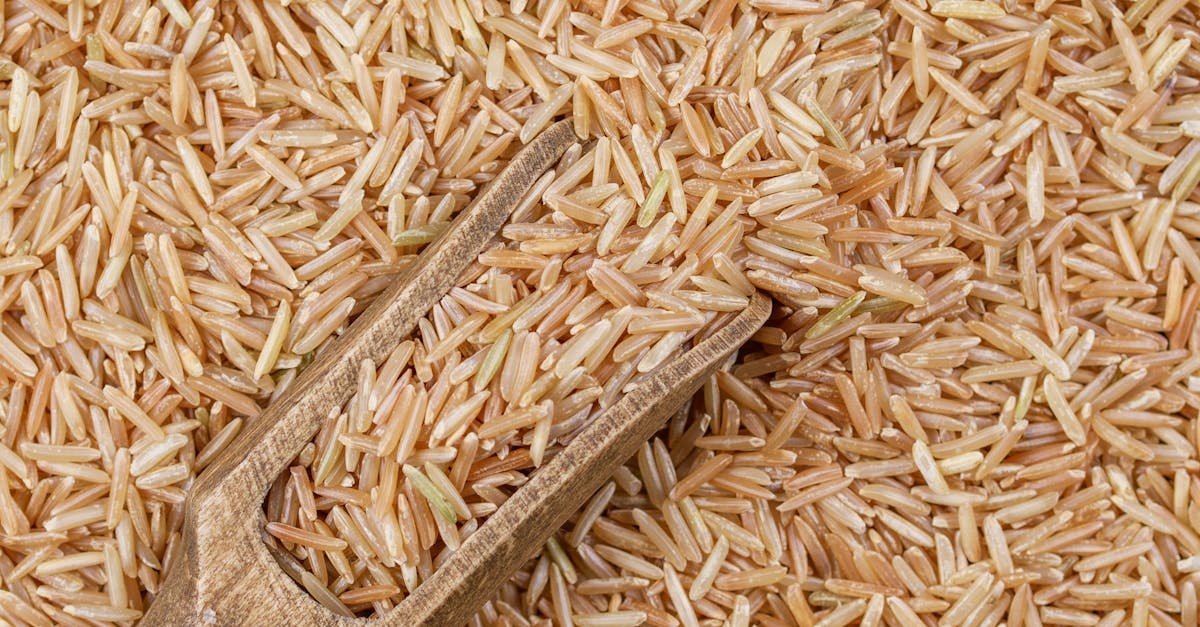
Non-basmati is the value tier of the same market, and it is growing for a simple reason: currency pressure and food inflation push Iranian distributors to offer a long-grain rice that looks and cooks close to basmati at a distinctly lower landed cost. Indian Parmal and PR 26 in sella and golden sella forms fill exactly that slot, IR 64 serves price-led bulk and food processing, and Sona Masoori covers the select medium-grain segment. India's position as the world's largest rice exporter, with non-basmati exports fully open, the earlier ban, quota and export duty all removed, and only APEDA contract registration applying per export, makes it the natural origin for that value tier.
What makes Iran demanding is not demand, it is compliance and conditions. Iranian authorities enforce strict limits on heavy metals, mycotoxins and pesticide residues for all rice imports regardless of origin, register approved foreign sources, and require consignment-level certification, which India channels through APEDA with testing at APEDA-approved labs. On top of that sit Iran's order-registration system, Farsi labelling with shelf-life rules, a seasonal pause on rice import registrations around the domestic harvest, and, in 2026, Gulf freight running with war-risk surcharges and rerouting after the Strait of Hormuz disruption, which has slowed Indian rice shipments and hardened industry advice to ship only against fully secured payment.
At Alstoe India Exports, we treat Iran-bound rice as a certification product first and a commodity second. We test before we ship, label in Farsi before we pack, time registrations around the import window, and quote against the freight and payment conditions actually in force, as part of our full non-basmati rice range.
2026 conditions: freight and payment discipline
The Strait of Hormuz disruption has pushed war-risk surcharges and rerouting into Gulf freight and slowed Indian rice shipments, and Indian trade bodies now advise exporters to move Iranian contracts only on fully secured payment. Our quotes reflect the freight conditions in force at booking, and our orders run on advance payment or letter of credit, so both sides know the consignment is funded before it sails.
Non-basmati varieties we supply to Iran
Iranian buyers want long grain that holds a separate cook, which puts sella and golden sella forms at the centre of this lane. We supply four varieties from the current crop, matched to your channel against approved samples, every lot certified before it sails.
| Variety | Crop | Available Forms | Best For in Iran |
|---|---|---|---|
| ParmalSella Value Pick | 2025 | Raw, Steam, Sella, Golden Sella | Basmati-adjacent long grain for distributors serving the value segment |
| PR 26 | 2025 | Raw, Steam, Sella, Golden Sella | Firm, separate-cooking sella for wholesale and foodservice |
| IR 64 | 2025 | Raw, Sella | Price-led bulk supply and food processing |
| Sona Masoori | 2025 | Raw, Steam | Select medium-grain retail and lighter tables |
Non-pesticide Parmal is available on request for buyers who need the cleanest residue profile against Iranian limits. Crop year is declared per lot, broken percentage and sortex finish are agreed against approved samples, and broken rice as a standalone product remains subject to Indian export restrictions, confirmed per shipment.
Sourcing the aromatic tier as well? See basmati rice for Iran and the full basmati range.
Broken percentage: the spec that sets the price
For non-basmati rice, broken percentage is the single most important commercial specification. It sets the price tier and the end use, and it is where careless suppliers cost importers real money.
Up to 5% broken grains, mostly whole and intact. The grade for branded retail packs and quality-led sella supply, and the highest non-basmati price tier.
The workhorse bulk grade balancing price and quality, common in wholesale and processing supply.
Colour-sorted at either grade to remove discoloured grains and foreign matter, the finish Iranian retail brands expect; regular mill grades serve the most price-driven bulk.
The agreed percentage is fixed in writing on the order confirmation and verified on the Certificate of Analysis for every lot, with third-party inspection at loading on request.
What Iran requires, and who handles what
Iran-bound rice is a certification trade. Here is the split between what you set up once as the importer, what happens per consignment, and what we handle from India.
Your side, set up once (Iranian importer)
- Trader identityCommercial Card via MIMT and the Iran Chamber
- Order registrationNTSW registration (sabt-e sefaresh) per import
- CurrencyAllocation per Central Bank of Iran rules
- Food licenceImport licence for foodstuffs from the health authority
- ClearanceCustoms broker on IRICA's electronic system
Per consignment (shared)
- Quality standardsISIRI conformity: heavy metals, mycotoxins, residues
- InspectionCertificate of Inspection by an approved agency
- Plant healthPhytosanitary certificate at authorised entry points
- LabellingFarsi labels, with at least two-thirds shelf life remaining
- Clearance channelIRICA risk channel: documentary or full inspection
Two things define this lane. First, source-level trust: Iranian authorities register approved foreign rice sources, and each consignment travels with health, GMO-free, heavy-metal and mycotoxin certification, which India consolidates through APEDA against testing at APEDA-approved laboratories. A supplier who cannot show that testing trail cannot reliably clear Iranian customs. Second, timing: Iran pauses new rice import registrations around its domestic harvest, typically from late summer into autumn with dates announced each year, so orders are planned so registration, shipment and arrival all land inside the open window. Duties and levies at clearance follow Iran's current tariff schedule and are confirmed by your broker per consignment.
What we hold in India
IEC from the DGFT, APEDA registration, APEDA contract registration for every non-basmati export, and support for Iranian source registration. FSSAI, HACCP and ISO certifications are held across the supplier and manufacturer network.
What we test before sailing
Every lot is tested at APEDA-approved labs for heavy metals, mycotoxins and pesticide residues against Iranian limits, plus broken percentage, moisture and admixture, with the consolidated certificate and Certificate of Analysis issued before loading.
What travels with the cargo
Invoice and packing list, certificate of origin, phytosanitary and fumigation certificates, inspection certificate, the consolidated quality certification and Farsi-compliant labelling, matched to your registration and banking documents word for word.
Six sourcing risks and how we remove them
Rejection on heavy metals or mycotoxins
Iran enforces strict limits on heavy metals, mycotoxins and pesticide residues for all rice imports, and a consignment that fails at clearance is a total loss after freight.
Certified at APEDA-approved labs, before sailing
Every lot is tested against Iranian limits at APEDA-approved laboratories and travels with the consolidated certification Iranian authorities expect, so compliance is proven before the cargo loads, not argued at Bandar Abbas.
Payment risk in a constrained banking environment
Banking routes for Iran trade are limited, the 2026 conflict has stretched payment cycles, and an unsecured contract can leave either side exposed after the goods move.
Secured payment, full stop
Orders run on advance payment or letter of credit through banking channels confirmed at the time of order, in line with current industry guidance to ship only against fully secured terms. The consignment is funded before it sails, which protects you as much as us.
Mistiming the seasonal import window
Iran pauses new rice import registrations around its domestic harvest. An order that registers late can sit outside the window with the goods already milled.
Orders planned around the window
We plan registration, production and sailing dates together so the consignment lands inside the open window, and we flag the announced dates for each season on every quote.
Freight volatility in the Gulf
War-risk surcharges, rerouting and schedule instability after the Strait of Hormuz disruption can move landed cost between quote and booking.
Quoted at current conditions, routed flexibly
Quotes reflect the freight and insurance conditions actually in force, validity is stated plainly, and routings via Bandar Abbas or Chabahar are chosen per order to keep the schedule realistic.
Labelling and shelf-life non-compliance
Consignments without compliant Farsi labelling, or arriving with too little shelf life remaining, fail Iranian food-import rules after the goods have landed.
Farsi labels proofed, fresh crop shipped
Farsi labelling with production and expiry marking is proofed with you before printing, and we ship current-crop lots so consignments arrive with well over the required shelf life remaining.
Broken percentage higher than agreed
A lot sold as 5% broken arrives at 15 to 25%. Since broken percentage sets the price, the drift quietly transfers money from buyer to seller and degrades your resale quality.
Broken grade locked and lab verified
The agreed percentage is fixed in writing on the order confirmation and verified on the Certificate of Analysis for every lot, with third-party inspection at loading on request.
Shipping from India to Iran
| Element | Detail |
|---|---|
| Loading ports in India | Mundra, Nhava Sheva (JNPT) and Kandla |
| Iranian destination ports | Bandar Abbas (Shahid Rajaee) and Chabahar (Shahid Beheshti), with Bushehr for specific programmes |
| Containers | 20 ft units holding approximately 25 to 27 tonnes depending on packing |
| Transit time | Short Gulf runs in normal conditions; under current rerouting, schedules are confirmed at booking |
| Trade terms | FOB, CFR and CIF, agreed at the time of order, with freight quoted at the conditions in force |
| Payment | Advance payment or letter of credit through banking channels confirmed at order |
Chabahar's Shahid Beheshti terminal, operated with Indian involvement, gives this lane a second routing that sits outside the Strait of Hormuz for eastern Iran distribution, while Bandar Abbas remains the main gateway for the national market. Entry for plant products runs through authorised customs points with quarantine inspection, and clearance moves through your broker on IRICA's electronic system under the assigned risk channel.
Packing matched to your channel
Materials and options: PP woven bags from 5 kg to 50 kg with custom branding, and Farsi and English labelling with production and expiry marking proofed before print. Pack weights and artwork are confirmed at order.
Iranian buyer categories we support
Importers and Distributors
Registered traders supplying wholesale markets nationwide with a value long-grain tier alongside basmati lines.
Best fit: Parmal golden sella, 5% sortex, 10 to 20 kgRetail Brands and Repackers
Brands packing consumer bags for supermarkets and neighbourhood retail, needing clean sortex grain and compliant Farsi labels.
Best fit: Parmal or PR 26 sella, 5% sortex, 5 to 10 kgFoodservice and Catering Supply
Buyers serving restaurants and institutional kitchens that want a firm, separate cook at volume.
Best fit: PR 26 golden sella, 25% broken, 25 kgFood Processors
Processing and ingredient buyers where price per tonne leads and specifications are locked per lot.
Best fit: IR 64 raw or sella, 25% broken, 50 kgHow to import non-basmati rice from India
Send Enquiry
Share variety, broken grade, quantity, destination port and packing, plus your registration timeline in Iran.
Receive Quote
FOB, CFR or CIF pricing within 24 hours, quoted against the current freight conditions and the import window, with stated validity.
Approve Sample
Pre-order sample so you verify grain, broken percentage and finish before committing, aligned with your NTSW registration.
Milling, Testing, Labels
Milling, sortex grading where agreed, testing at APEDA-approved labs for Iranian limits, Farsi labels proofed and printed, fumigation and packing, with the consolidated certificate and COA issued.
Secured Despatch
Sailing against secured payment with the full document set released early, supporting inspection, quarantine and IRICA clearance at your port.
Export documents with every shipment
Consolidated Quality Certificate
Health, GMO-free, heavy-metal and mycotoxin certification through APEDA, tested at approved labs
Certificate of Analysis (COA)
Lab results per lot: residues, broken percentage, moisture and admixture
Certificate of Inspection
Pre-shipment inspection by an approved agency, matched to your registration
Phytosanitary Certificate
Issued by Plant Quarantine India for entry at authorised Iranian points
Fumigation Certificate
Pest-free certification for every consignment
Certificate of Origin
Confirms Indian origin for Iranian customs
Invoice and Packing List
Matched to your NTSW registration and banking documents word for word
Bill of Lading
Issued by the shipping line for the sea leg
APEDA Contract Registration
Completed by us for every non-basmati export, as required since September 2025
Request an Iran rice export quote
Share your requirement and we respond within 24 hours with suitable varieties, broken grade options, certification and labelling guidance, and clear commercial next steps.
Iran rice import questions, answered
What does an Iranian importer need to import rice from India?
A Commercial Card issued through the Ministry of Industry, Mine and Trade and the Iran Chamber, an order registration (sabt-e sefaresh) in the NTSW system for each import, currency allocation per Central Bank of Iran rules, a food import licence from the health authority, and a customs broker for clearance on IRICA's electronic system. Rice consignments then pass conformity, inspection and quarantine checks at entry.
Is Indian non-basmati rice currently free for export to Iran?
Yes. India's export ban, minimum export price and export duty on non-basmati rice have all been removed, and the standing condition is APEDA contract registration for each export, which we complete as the exporter. Iran-specific certification, heavy metals, mycotoxins and residues through APEDA-approved labs, is arranged per consignment.
Does Iran mainly buy basmati or non-basmati rice from India?
Basmati leads: Iran is traditionally among the largest buyers of Indian basmati, and in many years the single largest. Non-basmati serves the value tier of the same market, with Parmal and PR 26 sella offering a basmati-adjacent long grain at a lower landed cost, IR 64 for price-led bulk and processing, and Sona Masoori for the select medium-grain segment.
What quality standards does Iran enforce on imported rice?
Iran enforces strict limits on heavy metals, mycotoxins and pesticide residues for all rice imports regardless of origin, under ISIRI conformity requirements, with inspection and testing at entry. India channels the required consignment-level certification through APEDA against testing at APEDA-approved laboratories, and we complete that certification before every shipment sails.
When does Iran pause rice imports?
Iran pauses new rice import registrations around its domestic harvest, typically from late summer into autumn, with exact dates announced each year. Orders are planned so registration, shipment and arrival all fall inside the open window, and we flag the announced dates on every quote.
How is payment handled for Iran orders in 2026?
On fully secured terms only: advance payment or letter of credit through banking channels confirmed at the time of order. With Gulf freight running on war-risk surcharges and payment cycles stretched by the 2026 conflict, industry guidance is to ship only against secured payment, and that is how every Alstoe order is structured.
Which ports are used for Indian rice into Iran?
Bandar Abbas (Shahid Rajaee) is the main gateway for the national market, and Chabahar (Shahid Beheshti), operated with Indian involvement, offers a second routing outside the Strait of Hormuz for eastern distribution, with Bushehr used for specific programmes. Routing is fixed per order against the schedules actually running.
What labelling does Iran require?
Farsi labelling with production and expiry marking, and food consignments must arrive with at least two-thirds of shelf life remaining. We proof Farsi labels with you before printing and ship current-crop lots so the shelf-life rule is met with a wide margin.
What is the minimum order quantity and transit time?
Our standard minimum is one 20 ft FCL, approximately 25 to 27 tonnes depending on packing. The Gulf run is short in normal conditions, and under current rerouting, sailing schedules and transit are confirmed at booking with quote validity stated plainly.
How do I verify an Indian rice exporter before ordering?
Check the IEC and APEDA registration, ask how they handle APEDA contract registration and the Iran-specific consolidated certification at approved labs, how they lock broken percentage and moisture in writing, and whether they will quote validity against current freight conditions. Approve a physical sample first, and start with a trial container before scaling.
Ready to source rice for Iran?
Share your variety, broken grade, quantity and destination port. We respond within 24 hours with a detailed quotation, certification and labelling guidance, and clear commercial next steps. Orders on advance payment or letter of credit.