
What Products German Importers Are Buying from India in 2026?
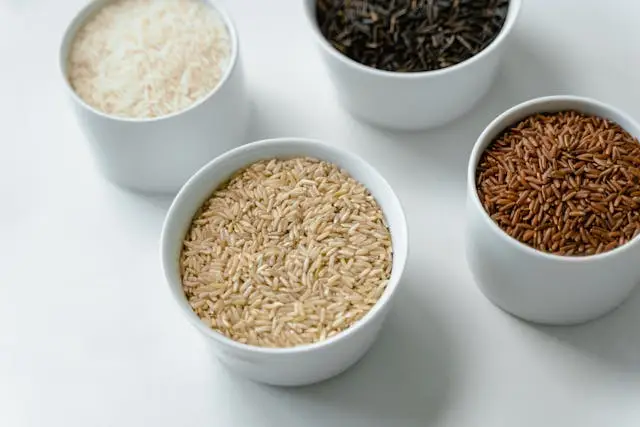
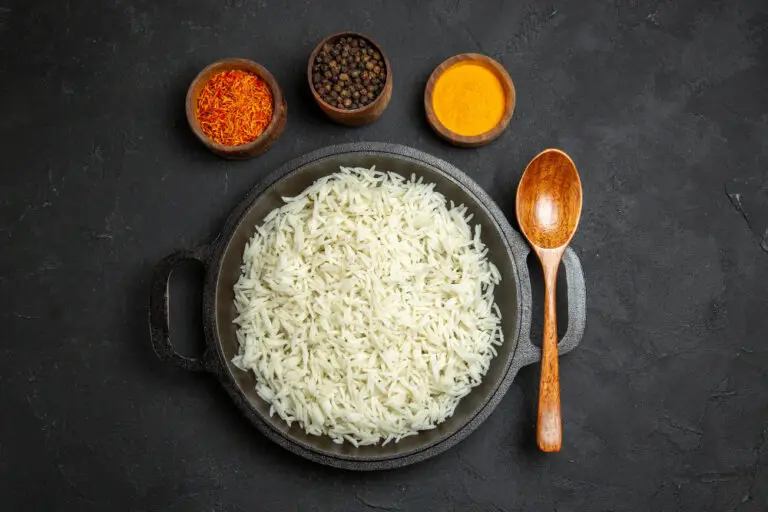
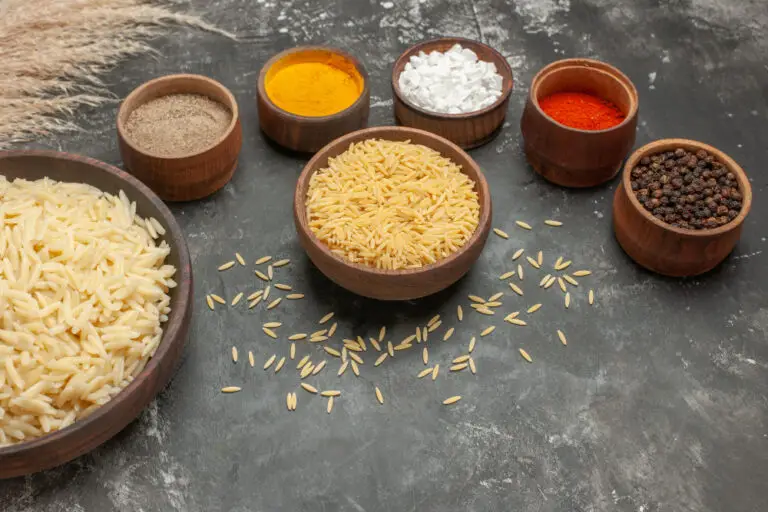
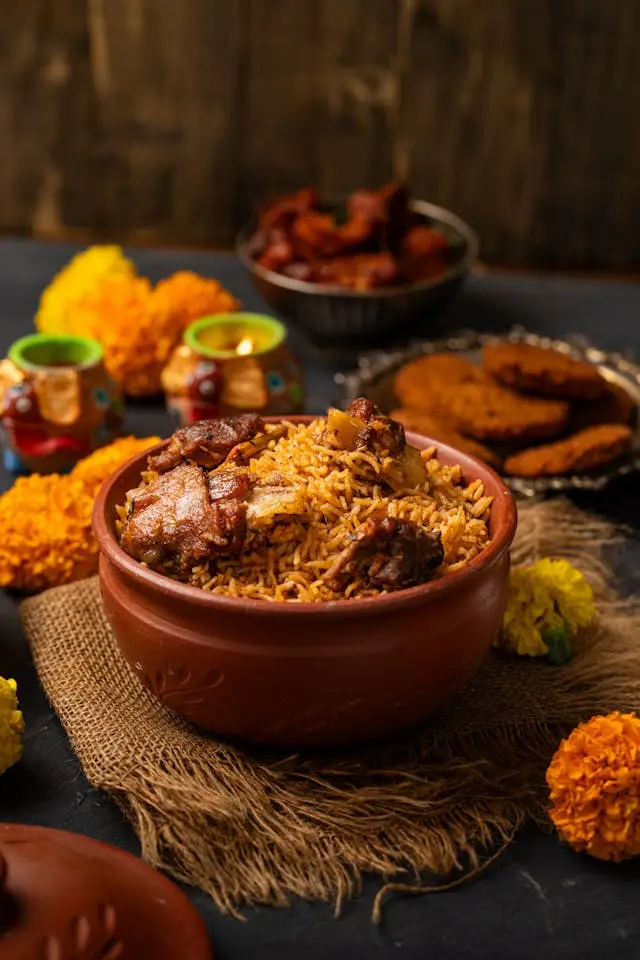
Germany imports basmati rice, spices (turmeric, cumin, red chilli, coriander), herbal ingredients (ashwagandha, moringa, amla), dehydrated vegetables (onion, garlic, tomato powder), makhana (fox nuts), organic foods, botanical extracts, and food manufacturing ingredients from India.
The demand is increasingly driven by organic foods, plant-based nutrition, wellness products, sustainable sourcing, and clean-label food manufacturing.
Germany-India Trade Relationship in Agro & Food Products
Germany is Europe’s largest economy and one of its most active importers of food ingredients, organic products, spices, and botanical ingredients.
As a trading hub, Germany not only supplies its own domestic market- it re-exports Indian food products across the European Union, making it a strategic entry point for Indian exporters aiming at the broader EU market.
India’s agri exports to Europe, of which Germany is a primary recipient have grown consistently over the past decade.
India exported USD 51.91 billion in agricultural products in FY 2024-25, with spices alone reaching a record USD 4.72 billion and AYUSH and herbal products reaching USD 688.89 million.
A meaningful share of these flows into German distribution networks, either directly or via Rotterdam and Antwerp re-export channels.
| USD 51.91B India total agri export value, FY 2024-25 |
| USD 4.72B Indian spice exports- all-time record, FY 2024-25 |
| USD 688M AYUSH & herbal exports, FY 2024-25 (PIB, 2026) |
| USD 897M Processed & dehydrated vegetable exports, FY 2024-25 |
| 4× Growth in Indian makhana exports, 2020 to 2024 (APEDA) |
Several structural trends in the German and broader EU food market are reinforcing this relationship.
Germany is Europe’s largest organic food market- worth over €17 billion annually and Indian suppliers of organic spices, organic rice, and certified herbal ingredients are increasingly relevant to German wholesale buyers.
The German food manufacturing sector, one of Europe’s largest, is a consistent buyer of food processing ingredients including dehydrated onion, garlic, tomato powder, and spice extracts.
Germany also has a growing South Asian and Middle Eastern diaspora that sustains demand for Indian staples including basmati rice and whole spices through ethnic grocery channels.
And a rapidly expanding supplement and nutraceutical sector is driving new demand for Indian botanical ingredients like ashwagandha, moringa, amla, triphala, and curcumin among German health product brands.
| Why this matters for German procurement teams |
| Germany’s structural demand drivers- organic food growth, food manufacturing ingredient sourcing, wellness supplement expansion, and ethnic retail point toward categories where India has genuine supply depth and competitive strength. |
Understanding which German consumer trends map to which Indian product categories is the foundation of a sound sourcing strategy.
What German Importers Are Buying from India in 2026
German importers are primarily buying basmati rice, spices, herbal powders, dehydrated vegetables, tea, coffee, organic foods, and food ingredients from India in 2026.
Demand is also growing for high-value products such as ashwagandha, moringa, amla powder, makhana, organic spices, botanical extracts, millet products, and clean-label food ingredients as German consumers increasingly prefer healthy, sustainable, and plant-based products.
| Category | Products from India | Primary German Buyer Type | Demand Context |
| Basmati Rice | 1121 Basmati, Pusa Basmati, 1509 Basmati- steam, sella, raw | Ethnic food wholesalers, supermarket buyers, food distributors | Diaspora retail demand; mainstream supermarket growth; private-label rice lines |
| Non-Basmati Rice | Sona Masoori, long grain white rice, broken rice | Ethnic distributors, food ingredient buyers | Health-conscious rice alternatives; food manufacturing ingredient use |
| Spices | Turmeric, cumin seeds, red chilli powder, coriander seeds, cardamom, black pepper, fenugreek, mustard | Spice wholesalers, food manufacturers, seasoning blend producers, retail packagers | Food manufacturing ingredient sourcing; retail spice demand; organic spice category growth |
| Dehydrated Vegetables | Dehydrated onion (flakes, granules, powder), dehydrated garlic, tomato powder, spinach powder, beetroot powder, carrot flakes, mixed vegetable flakes | Food processors, soup and sauce manufacturers, ready-meal producers, HoReCa ingredient buyers | Clean-label food manufacturing; shelf-stable ingredients; cost efficiency in industrial production |
| Herbal Powders & Botanicals | Ashwagandha root powder, moringa leaf powder, amla powder, neem powder, triphala powder, shatavari powder | Supplement brands, nutraceutical manufacturers, health food retailers, cosmetic ingredient buyers | Adaptogen and wellness trend; Ayurveda mainstreaming in European supplement market |
| Organic Products | Organic turmeric, organic cumin, organic basmati rice, organic moringa, organic ashwagandha | Organic food distributors, natural food retailers, private-label organic brands | Germany’s €17B+ organic food market; retailer private-label organic expansion |
| Makhana | Roasted makhana (4–7 Suta grades), plain fox nuts, makhana flour | Health food brands, premium snack retailers, private-label snack buyers, online health stores | Healthy snacking trend; gluten-free and vegan snack demand; premium retail expansion |
| Functional Food Ingredients | Curcumin extract, botanical extracts, psyllium husk, fenugreek powder, moringa protein | Nutraceutical ingredient buyers, functional food manufacturers, supplement formulators | Growing nutraceutical sector; plant-based protein demand; gut health and functional nutrition trends |
Key Takeaway for German Importers:
Germany’s import demand is increasingly shifting beyond traditional products like rice and spices toward organic foods, herbal powders, functional ingredients, plant-based nutrition, and clean-label food manufacturing ingredients, creating new opportunities for importers, distributors, retailers, and private-label brands sourcing from India.
Why German Buyers Are Increasingly Sourcing from India
Price alone does not explain why German procurement teams are deepening their sourcing relationships with India. There are five strategic reasons driving this trend and understanding them helps both buyers and suppliers position the relationship correctly.
Supply Security and Origin Diversification
Post-2020, supply chain risk management has become a core procurement objective across German food businesses.
Single-origin dependency- whether for spices from one country, or herbal ingredients from one region has been identified as a structural vulnerability.
India’s size and multi-region agricultural base make it a natural diversification origin: it can supply the same product category across multiple growing regions, reducing the crop-failure concentration risk that comes with smaller origins.
Competitive Cost vs. Alternative Origins
For categories where India competes directly- spices, dehydrated vegetables, rice, and herbal botanicals- Indian FOB prices are consistently competitive against alternatives including Turkey, China, Egypt, and Southeast Asian origins.
For premium categories like basmati rice and certified organic spices, India has no meaningful competitor at comparable quality levels.
German buyers who have moved sourcing from China to India for botanical ingredients have also frequently cited documentation quality and lab report reliability as reasons for the switch, not just price.
Organic Production Capacity and Certification
India has one of the world’s largest certified organic farming footprints.
The country has a significant acreage of EU-certified organic spices, rice, and herbal crops and this capacity is growing as German and broader EU retailer demand for certified organic products continues to rise.
For German importers building organic private-label lines or supplying organic ingredient buyers, India is increasingly the only commercially viable origin that can supply at volume with EU Organic certification.
Traceability and Documentation Infrastructure
Germany’s food industry operates under strict EU traceability requirements, and German buyers increasingly expect their suppliers, including Indian ones to provide full documentation chains.
APEDA-registered exporters for rice, Spices Board-registered exporters for spices, and FSSAI-compliant manufacturers for food products are all parts of India’s formal export infrastructure that directly serve German compliance requirements.
Established Indian exporters can now provide COA, phytosanitary certificates, lab test reports, and ETO compliance documentation as standard- meeting EU RASFF requirements.
Multi-Category Supply from a Single Relationship
One of India’s most practical advantages for German buyers is the ability to source multiple categories- rice, spices, dehydrated vegetables, herbal powders, and makhana from a single Indian supplier or within a single procurement relationship.
This simplifies vendor management, reduces freight fragmentation, and allows mixed-container consolidation that improves per-unit landed cost.
For German importers managing complex sourcing portfolios, a reliable multi-category Indian supplier reduces the number of active supplier relationships they need to maintain.
| Strategic Insight for Procurement Teams |
| The most commercially sophisticated German buyers are not evaluating India as “the cheapest option.” They are evaluating India as the origin that offers the best combination of supply depth, compliance capability, organic production access, and category breadth at a competitive price. That is a fundamentally different evaluation framework, and it favours suppliers who can demonstrate all four dimensions rather than just quoting the lowest FOB. |
High-Growth Products: What German Importers Should Consider Through 2030
The next phase of India-Germany agro trade is expected to be driven by organic foods, herbal powders, nutraceutical ingredients, healthy snacks, plant-based nutrition, and functional food ingredients.
German importers looking to diversify beyond traditional imports such as basmati rice and spices should consider high-growth categories including makhana, ashwagandha, moringa powder, organic spices, curcumin extracts, dehydrated vegetables, botanical extracts, herbal tea ingredients, and millet products.
Importers that diversify into these high-growth categories today can build stronger product portfolios and stay aligned with long-term consumer and retail trends in Germany.
They can easily meet the growing demand for organic foods, plant-based nutrition, clean-label ingredients, wellness supplements, and sustainable food products.
| Product Category | Why Demand Is Growing in Germany | Primary Buyer Type | Growth Outlook (2026–2030) |
| Makhana (Fox Nuts) | Rising demand for healthy snacks, vegan foods, and gluten-free alternatives | Health food brands, snack distributors, private-label retailers | High |
| Ashwagandha Powder | Growing consumer interest in stress relief, sleep support, and adaptogen supplements | Supplement brands, nutraceutical manufacturers | High |
| Moringa Powder | Increasing demand for plant-based nutrition, superfoods, and organic wellness products | Organic distributors, health food retailers | High |
| Organic Spices | Expansion of Germany’s organic food market and private-label organic brands | Organic wholesalers, supermarket buyers | High |
| Curcumin Extract | Strong demand for functional foods and anti-inflammatory nutraceutical ingredients | Supplement formulators, ingredient buyers | High |
| Amla Powder | Growing use in immunity supplements, functional foods, and natural cosmetics | Health brands, cosmetic ingredient buyers | Medium-High |
| Triphala Powder | Increasing popularity of digestive health and Ayurvedic wellness products | Supplement brands, natural health retailers | Medium-High |
| Shatavari Powder | Expanding women’s wellness and herbal supplement market | Women’s health supplement brands | Medium-High |
| Dehydrated Vegetables | Rising demand for clean-label ingredients in soups, sauces, seasonings, and ready meals | Food manufacturers, ingredient importers | Medium-High |
| Botanical Extracts | Growth of Germany’s nutraceutical and functional ingredient sector | Nutraceutical manufacturers, ingredient suppliers | Medium-High |
| Herbal Tea Ingredients | Demand for wellness beverages and herbal tea blends | Tea brands, private-label beverage companies | Medium |
| Millet Products | Consumer interest in sustainable grains, gluten-free diets, and alternative nutrition | Organic food distributors, food manufacturers | Medium |
What Are the Best Import Business Opportunities in Germany Using Products Sourced from India?
For entrepreneurs and procurement professionals entering the Germany–India trade corridor, the strongest long-term opportunities are expected to come from organic foods, herbal powders, nutraceutical ingredients, healthy snacks, clean-label food ingredients, and private-label wellness products.
The best import business opportunities in Germany using Indian products include organic spice distribution, private-label wellness brands, herbal ingredient supply, makhana snack brands, clean-label food ingredients, organic rice imports, herbal tea products, and ethnic food distribution.
| Import Business Opportunity | Products to Import from India | Target Buyers in Germany | Why It Has Strong Potential |
| Organic Spice Distribution | Organic turmeric, cumin, coriander, red chilli | Organic retailers, food manufacturers, private-label brands | Germany has Europe’s largest organic food market and growing demand for certified organic ingredients. |
| Private-Label Wellness Brand | Ashwagandha, moringa, amla, triphala, shatavari | Health-conscious consumers, pharmacies, online wellness stores | Demand for natural supplements, adaptogens, and Ayurvedic wellness products continues to grow. |
| Herbal Ingredient Supply (B2B) | Ashwagandha powder, moringa powder, curcumin extract, botanical extracts | Nutraceutical manufacturers, supplement brands, ingredient distributors | German supplement manufacturers increasingly source botanical ingredients from India. |
| Makhana Snack Brand | Roasted makhana, flavoured makhana, makhana flour | Health food retailers, premium supermarkets, e-commerce brands | Healthy snacking, gluten-free diets, and plant-based foods are driving category growth. |
| Clean-Label Food Ingredient Distribution | Dehydrated onion, garlic powder, tomato powder, spinach powder | Food manufacturers, seasoning companies, ready-meal producers | Food processors seek shelf-stable, clean-label ingredients for industrial production. |
| Ethnic Food Distribution | 1121 Basmati Rice, Pusa Basmati, turmeric, cumin, chilli | Ethnic grocery chains, food distributors, wholesalers | Strong demand from South Asian, Middle Eastern, and multicultural consumer segments. |
| Organic Rice Import Business | Organic 1121 Basmati, Organic Pusa Basmati, Organic Sona Masoori | Organic retailers, supermarket buyers, private-label brands | Organic rice demand is rising alongside Germany’s growing organic food sector. |
| Private-Label Organic Ingredients | Organic spices, organic herbal powders, organic rice | Supermarkets, organic chains, specialty food brands | Retailers are expanding own-label organic product portfolios. |
| Herbal Tea & Wellness Beverage Brand | Tulsi, moringa, ashwagandha, ginger, turmeric | Tea brands, wellness retailers, DTC brands | Wellness beverages are becoming a fast-growing segment in organic and health food retail. |
Which Import Business Has the Highest Growth Potential in Germany?
| Opportunity | Growth Outlook (2026–2030) |
| Herbal Ingredients & Nutraceutical Supply | Very High |
| Private-Label Wellness Brands | Very High |
| Organic Spice Distribution | Very High |
| Makhana Snack Brands | High |
| Organic Rice Imports | High |
| Clean-Label Food Ingredients | High |
| Herbal Tea & Wellness Products | Medium-High |
| Ethnic Food Distribution | Medium-High |
| Private-Label Organic Ingredients | High |
Looking for verified Indian suppliers of basmati rice, spices, herbal powders, dehydrated vegetables, or organic products for the German market?
Contact Alstoe India Exports to discuss sourcing requirements, documentation, certifications, and shipment planning.
Challenges German Importers Face When Sourcing from India
Understanding the challenges is as important as understanding the opportunities.
German buyers who have worked with Indian suppliers have identified consistent pain points and addressing them upfront is what separates a sustainable sourcing relationship from a costly trial-and-error process.
Quality Inconsistency Between Orders
Sample quality and commercial shipment quality often diverge.
Grain broken percentage, spice moisture content, herbal powder colour, and microbial counts can vary between the approved sample and the actual FCL.
German buyers need suppliers with documented batch-level QC processes, not just a good sample.
EU Pesticide Residue (MRL) Compliance
The EU operates some of the world’s strictest Maximum Residue Limits for pesticides in food and spice products.
Indian spice shipments have historically been flagged under EU RASFF alerts for residue non-compliance.
German importers must require pre-shipment pesticide testing from NABL-accredited or EU-recognised labs, not just supplier declarations.
Ethylene Oxide (ETO) in Spices
ETO used for microbial sterilisation of spices is banned in the EU.
German importers sourcing Indian spices must confirm ETO-free status with lab documentation on every shipment. This is a hard compliance requirement- a single ETO-positive shipment can result in port rejection and RASFF notification, damaging the importer’s standing with German customs.
Organic Certification Documentation
EU Organic certification (EU 2018/848) requires a documented chain from farm to export.
Many Indian suppliers claim organic without holding the correct EU-recognised organic body certification.
German importers building organic product lines must verify that the supplier holds a current EU Organic certificate from an approved control body, not a domestic Indian organic cert alone.
Supplier Reliability and Repeat Order Capacity
Many Indian exporters can fulfil a trial order. Far fewer have the sourcing depth, processing capacity, and logistics infrastructure to supply 10–20 FCL per year consistently.
German buyers who commit to annual agreements based on a single successful trial order sometimes discover that a supplier’s repeat-order capability was overstated.
Documentation Gaps and Delays
Export documentation- phytosanitary certificates, fumigation certificates, APEDA or Spices Board certificates, COA must be accurate and available before or at the time of shipment.
Documentation gaps or errors at Indian ports can cause shipment delays that affect German buyer production schedules and inventory commitments.
Communication and Order Visibility
German procurement culture values structured communication: order confirmations, production status updates, pre-shipment inspection reports, and shipping notifications.
Indian exporters who manage these communication touchpoints professionally, rather than ad hoc build significantly stronger long-term buyer relationships.
| Procurement Guidance |
| Most of these challenges are symptoms of working with under-qualified suppliers. The solution is not to avoid Indian sourcing; it is to apply rigorous supplier qualification criteria upfront: ask for EU buyer references, request past shipping documentation, verify certifications independently, and specify all quality parameters in the purchase agreement- not just price and delivery date. |
Compliance Requirements for German Importers Sourcing from India
Germany operates under EU food import regulations, which are among the world’s most comprehensive. The compliance framework below applies to German importers of food products, spices, and herbal ingredients from India.
EU MRL Compliance
All food and spice imports must comply with EU Maximum Residue Limits (MRLs) for pesticides. Pre-shipment pesticide residue testing from an accredited lab is essential- not optional for every commercial shipment.
Ethylene Oxide (ETO) Ban
ETO is banned as a fumigant in the EU. German importers of Indian spices must obtain ETO-free lab certification for every shipment. This is enforced at the EU border level and is an active area of RASFF notifications.
EU Organic Certification
For organic product claims, suppliers must hold EU Organic certification (Regulation EU 2018/848) from an EU-approved control body. German importers must verify this certification is current and covers the specific products being purchased.
EU Food Traceability (Reg. EC 178/2002)
EU food law requires full traceability- one step back, one step forward. German importers must maintain documentation that identifies the Indian supplier, the product batch, and the downstream EU customer for every shipment.
RASFF Notification System
The EU Rapid Alert System for Food and Feed (RASFF) tracks non-compliant shipments. German importers whose suppliers generate RASFF alerts face port holds, product withdrawal, and reputational risk. Pre-shipment testing is the primary safeguard.
Phytosanitary Certificate
Required for all plant-based products including rice, spices, and herbal powders. Issued by India’s NPPO (National Plant Protection Organisation) and must accompany every commercial shipment.
Heavy Metal Limits (Herbal Products)
EU food supplement regulations set maximum levels for lead, cadmium, arsenic, and mercury. German importers of herbal powders must require heavy metal test reports from third-party accredited labs before accepting each delivery.
EU Food Labelling Regulations
Products entering German retail must comply with EU food labelling requirements including ingredient declarations, allergen labelling, origin labelling, and for organic products- EU Organic logo usage rules. Labelling must be in German for retail-destined products.
Supplier Documentation Package
A complete import documentation package from Indian suppliers should include: COA, pesticide residue test, ETO test (spices), heavy metal test (herbal), phytosanitary certificate, fumigation certificate, APEDA or Spices Board certificate, FSSAI compliance, packing list, and Bill of Lading.
Questions Procurement Teams Should Ask Indian Suppliers Before Committing
The following questions are designed for German procurement managers, import managers, and category buyers to use during supplier evaluation. They are organised to surface the information that matters most: supply reliability, quality consistency, compliance capability, and commercial flexibility.
Supply Reliability
- Can you supply this product consistently across all 12 months of the year?
- What is your sourcing arrangement during off-season periods?
- What is your current stock position for this product?
- How many FCL orders have you fulfilled for existing buyers in the past 12 months?
- Can you provide two to three references from current EU or German buyers?
Quality & Compliance
- Can you provide COA and lab test reports for the last three shipments of this product?
- What is your process for ensuring shipment quality matches the approved sample?
- Do you test for pesticide residues to EU MRL limits before every shipment?
- For spices: can you confirm ETO-free status with lab documentation?
- For herbal products: can you provide heavy metal test reports per batch?
Certification & Documentation
- Are you APEDA-registered (rice) / Spices Board-registered (spices)?
- Do you hold EU Organic certification for organic product ranges?
- Which EU-approved organic control body issued your certificate?
- Can you provide a full documentation package before shipment confirmation?
- Have you had any RASFF notifications or EU port rejections in the past three years?
Commercial Flexibility
- What is your minimum order quantity for a trial order?
- Do you support mixed-category containers combining multiple products?
- Can you support private-label or retailer-branded packaging?
- What payment terms do you work with- LC, TT, or CAD?
- What is your lead time from order confirmation to vessel loading?
| Why These Questions Matter |
| German procurement teams that skip this qualification process save time on the front end and pay for it in rejected shipments, quality disputes, and broken supply chains on the back end. An exporter/ supplier who can answer all of these questions clearly, with documentation, is a partner worth building a long-term relationship with. The one who deflects or cannot provide documentation should be disqualified regardless of price. |
Why German Importers Source from Alstoe India Exports?
Alstoe India Exports is an Indian merchant exporter supplying basmati rice, non-basmati rice, spices, dehydrated vegetables, makhana, and herbal powders to importers, wholesalers, retailers, and supermarket procurement teams across Europe, the Middle East, Africa, and North America.
We understand the questions German procurement teams are asking because we have built our supply and documentation processes to answer them.
Multi-Category Supply from One Relationship
Rice, spices, dehydrated vegetables, makhana, and herbal powders- all from a single sourcing relationship. Mixed-container orders reduce freight fragmentation and simplify vendor management for procurement teams.
EU-Ready Documentation as Standard
We prepare and coordinate full export documentation: APEDA certificates, Spices Board certificates, phytosanitary certificates, fumigation certificates, COA with lab reports, pesticide residue tests, ETO compliance (spices), and heavy metal reports (herbal products).
Lab-Tested Shipment Quality
Every commercial shipment is tested against the approved sample specification using NABL-accredited and third-party labs. Documentation is shared before shipment confirmation- not after arrival.
Year-Round Supply Capability
We source across multiple crop cycles and maintain working stock across our product range- so a repeat order does not reset to zero when seasonal availability shifts.
Private Label and Custom Packaging
We support German-market private-label and retailer-branded packaging for all product categories- from 250g retail pouches to 25kg commercial bags. MOQ, artwork approval, and lead time details are discussed upfront.
Organic Certification Support
We work with EU-certified organic production sources across our spice, herbal, and rice categories for buyers building organic product lines or supplying German organic retailers.
FAQs
What products does Germany import from India?
Germany imports basmati rice, spices, herbal powders, dehydrated vegetables, tea, coffee, organic food products, botanical extracts, and functional food ingredients from India. Demand is growing for ashwagandha, moringa, makhana, organic spices, curcumin extracts, and clean-label ingredients used in food manufacturing and wellness products.
Why do German importers source food and agro products from India?
German importers source products from India because of its large agricultural production capacity, competitive pricing, certified organic supply, established export infrastructure, and ability to supply multiple product categories. India also offers strong documentation support, traceability, and year-round availability for many agro and food products.
Which Indian products have the highest growth potential in Germany?
Products with strong growth potential include makhana, ashwagandha powder, moringa powder, organic spices, curcumin extracts, dehydrated vegetables, botanical extracts, millet products, and herbal tea ingredients. These categories align with German consumer demand for organic foods, wellness products, plant-based nutrition, and sustainable sourcing.
Is Germany a good market for Indian food and herbal product exporters?
Yes. Germany is Europe’s largest economy and one of its biggest importers of food ingredients, organic products, spices, and botanical ingredients. Growing demand for healthy foods, nutraceuticals, organic products, and ethnic foods creates long-term opportunities for Indian exporters across multiple product categories.
What certifications are required to import food products from India into Germany?
German importers typically require phytosanitary certificates, Certificates of Analysis (COA), pesticide residue reports, ETO-free certificates for spices, heavy metal testing for herbal products, and EU Organic certification for organic products. Documentation requirements vary depending on the product category and intended market application.
What challenges do German importers face when sourcing products from India?
Common challenges include quality inconsistencies, pesticide residue compliance, ETO restrictions on spices, incomplete documentation, supplier reliability concerns, and shipment delays. Working with experienced exporters that provide third-party testing, compliance documentation, and transparent communication helps reduce sourcing and regulatory risks.
What are the best import business opportunities in Germany using products sourced from India?
Promising opportunities include organic spice distribution, private-label wellness brands, herbal ingredient supply, organic rice imports, makhana snack brands, clean-label food ingredient distribution, and herbal tea products. These categories benefit from growing consumer demand for organic, functional, and health-focused food products in Germany.
Sourcing Indian Agro Products for the German Market?
Alstoe India Exports supplies rice, spices, dehydrated vegetables, makhana, and herbal powders to importers, wholesalers, and retail buyers in Germany and across Europe- with full EU compliance documentation, lab-tested shipments, and year-round supply capability.