1509 Basmati Rice: Specifications, Grades, Uses & Importers Guide
1509 Basmati rice is one of the most widely traded long-grain rice varieties in the global market, known for its affordable pricing, good grain length, and fast cooking time.
Developed as an early-maturing alternative to traditional Basmati, it offers a strong balance between quality and cost, making it a preferred choice for bulk buyers, importers, and price-sensitive markets.
Compared to premium varieties like 1121, 1509 Basmati delivers competitive value with reliable cooking performance, making it ideal for large-scale distribution, retail chains, and food service operations.
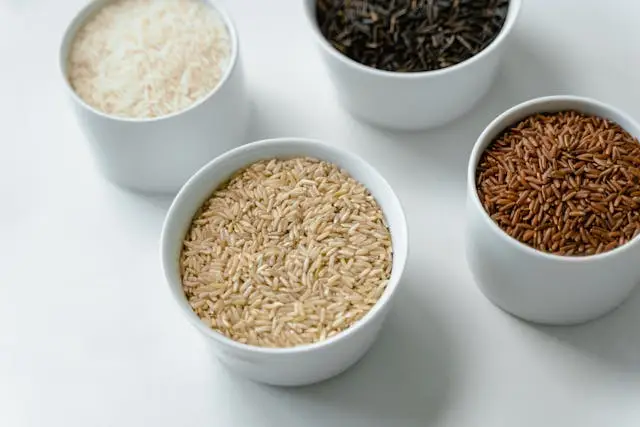
Available in multiple grades such as Raw, Steam, and Sella (White & Golden), it caters to different market needs based on shelf life, logistics, and pricing strategy.
Whether you are an importer, wholesaler, or private label buyer, this guide will help you understand how to choose the right 1509 Basmati rice for your market.
What Is 1509 Basmati Rice?
1509 Basmati rice is a long-grain aromatic rice variety developed in India, known for its early harvest cycle, good elongation, and cost efficiency.
It was introduced to provide a faster-growing and more affordable alternative to premium Basmati varieties while maintaining acceptable levels of aroma and grain quality.
Key highlights:
- Shorter crop cycle → faster availability
- Higher yield → lower cost
- Good elongation → suitable for bulk cooking
- Moderate aroma → acceptable for mass markets
It is widely used in Africa, parts of Asia, and bulk export markets where affordability and volume matter more than premium positioning.
1509 Basmati Rice Specifications
1509 Basmati rice is known for offering an excellent balance of grain quality, cooking performance, and affordability, making it one of the most popular choices for bulk export and value-driven markets.
It is widely preferred by importers looking for long-grain Basmati rice at a more competitive price compared to premium varieties like 1121 basmati rice.
The rice features long, slender grains with good elongation after cooking, a non-sticky texture, and moderate natural aroma, making it suitable for retail, food service, and wholesale trade.
| Parameter | Specification |
| Grain Length (Raw) | 7.8 – 8.0 mm |
| Grain Length (Cooked) | Up to 18–19 mm |
| Elongation Ratio | 1.8x – 2.0x |
| Purity | 90 – 95% |
| Moisture Content | ≤ 13% |
| Broken Grains | Typically 1–2% max |
| Aroma | Moderate natural aroma |
| Texture After Cooking | Non-sticky, soft, separate grains |
| Available Grades | Raw, Steam, White Sella, Golden Sella |
One of the biggest advantages of 1509 Basmati rice is that it delivers good grain length and cooking quality at a lower price point, making it ideal for importers targeting price-sensitive markets in Africa, the Middle East, and bulk distribution channels.
While its grain length is slightly shorter than 1121 Basmati, it still provides strong visual appeal, reliable elongation, and excellent value for money.
Grades of 1509 Basmati Rice: Which One Should You Buy?
1509 Basmati rice is available in multiple processing grades, and choosing the right one depends on your target market, storage conditions, cooking preference, and price positioning.
Although the rice variety remains the same, the processing method significantly affects the rice’s aroma, texture, shelf life, durability, and export suitability.
For importers, selecting the correct grade is important to ensure better customer satisfaction, lower spoilage risk, and stronger repeat demand.
Comparing 1509 Basmati Rice Grades
| Grade | Aroma | Texture | Shelf Life | Best For |
| Raw | Moderate | Soft, fluffy | 12–18 months | Retail, supermarkets |
| Steam | Balanced | Firm, separate grains | 18–24 months | Middle East, restaurants |
| White Sella | Mild | Firm | 24+ months | Wholesale, bulk export |
| Golden Sella | Mild | Firmest | 24+ months | Africa, long transport markets |
1509 Raw Basmati Rice
1509 Raw Basmati rice is the least processed form, known for its natural appearance and softer cooking texture.
- Bright white grains with natural appearance
- Moderate aroma retained due to no heat processing
- Soft, fluffy texture after cooking
- Slightly more delicate during transport and storage
- Shelf life: 12–18 months
Best for: Premium retail packs, supermarkets, home consumption, and markets prioritizing natural aroma and appearance.
1509 Steam Basmati Rice
1509 Steam Basmati rice is lightly steamed before milling, improving grain strength and cooking consistency.
- Better grain separation after cooking
- Less breakage during transport and handling
- Balanced aroma and texture
- Non-sticky and visually appealing
- Shelf life: 18–24 months
Best for: Middle Eastern markets, restaurants, catering businesses, and daily consumption.
1509 White Sella Basmati Rice
1509 White Sella is parboiled before milling, making the grains firmer and more durable for bulk trade.
- Ivory-white grain color
- Firm texture with good elongation
- Excellent shelf life and transport durability
- Lower breakage risk during shipping
- Shelf life: 24+ months
Best for: Bulk exports, wholesale distribution, food service supply chains, and long-distance shipping markets.
1509 Golden Sella Basmati Rice
1509 Golden Sella undergoes deeper parboiling, giving the rice a golden appearance and stronger grain structure.
- Distinct golden/amber color
- Firmest texture among all grades
- Excellent cooking stability and shelf life
- Performs well in hot and humid climates
- Shelf life: 24+ months
Best for: African markets, bulk buyers, long inland transport routes, and price-sensitive import markets.
The right 1509 Basmati rice grade depends on your market requirements. If your buyers prioritize aroma and premium appearance, Raw or Steam grades are ideal. If durability, shelf life, and cost efficiency matter more, White Sella or Golden Sella are better suited for export and bulk distribution.
Uses of 1509 Basmati Rice
1509 Basmati rice is widely used across global markets because of its long grain structure, good cooking performance, affordability, and reliable supply. It is especially popular in price-sensitive and high-volume markets where buyers want a balance between quality and cost.
Its non-sticky texture, decent elongation, and availability in multiple grades make it suitable for retail, food service, wholesale distribution, and bulk consumption.
1. Daily Consumption and Household Cooking
1509 Basmati rice is commonly used for everyday meals due to its soft texture, quick cooking time, and affordable pricing.
It is ideal for:
- Daily rice meals
- Pulao and fried rice
- Curry-based dishes
- Home cooking and family consumption
Compared to premium varieties like 1121, 1509 offers a more economical option while still maintaining good grain appearance and separation after cooking.
2. Biryani and Food Service Applications
1509 Basmati rice is widely used by restaurants, caterers, and food service businesses that need long-grain rice with consistent cooking quality at scale.
It performs well in:
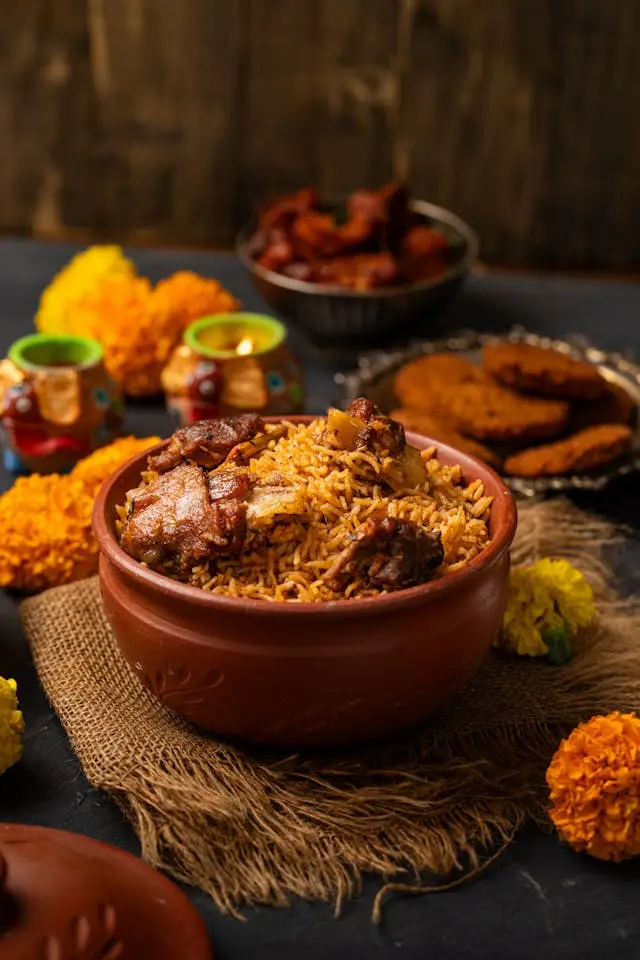
- Biryani preparation
- Buffet service
- Catering operations
- Institutional kitchens
Steam and Sella grades are especially preferred because they remain separate, non-sticky, and stable during large-scale cooking.
3. Bulk Export and Wholesale Trade
1509 Basmati rice is one of the most exported Indian Basmati rice varieties, particularly popular in:
- Africa
- Middle Eastern markets
- Bulk commodity trade
- Government and institutional supply programs
Its competitive pricing and good shelf life make it ideal for importers looking for reliable volume supply.
Common packaging includes:
- 25 kg bags
- 50 kg PP woven bags
- Customized wholesale packaging
4. Supermarket and Retail Packaging
1509 Basmati rice is increasingly sold under private labels and retail brands due to its affordability and consumer-friendly pricing.
It is commonly packed in:
- 1 kg retail packs
- 5 kg family packs
- 10 kg supermarket packs
This makes it suitable for:
- Supermarkets
- Retail chains
- Ethnic grocery stores
- Budget-conscious consumers
5. Ready-to-Eat and Processed Food Industry
Its uniform grain structure and consistent cooking behavior make 1509 Basmati rice suitable for:
- Ready-to-eat meals
- Frozen food products
- Packaged rice dishes
- Food processing operations
Manufacturers prefer it because it offers predictable cooking results while keeping production costs controlled.
Why 1509 Basmati Rice Is Widely Used
1509 Basmati rice is preferred across multiple industries because it offers:
- Good grain length at a competitive price
- Non-sticky texture after cooking
- Faster cooking time compared to some premium varieties
- Reliable supply and high agricultural yield
- Multiple grades for different market needs
For importers and distributors, 1509 Basmati rice provides an excellent combination of affordability, scalability, and export suitability across both retail and bulk markets.
Which Countries Import 1509 Basmati Rice?
1509 Basmati rice is exported to a wide range of countries due to its affordable pricing, good grain length, and reliable cooking performance. It is especially popular in markets that require a balance between quality and cost efficiency.
The major importers of Indian 1509 Basmati rice include:
- Nigeria
- Ghana
- Senegal
- Kenya
- Tanzania
- Saudi Arabia
- United Arab Emirates (UAE)
- Oman
- Qatar
- Kuwait
- Iraq
- Yemen
- Malaysia
- Indonesia
- United Kingdom
- United States
These countries import 1509 Basmati rice for retail distribution, food service, catering, wholesale trade, and bulk consumption.
Middle East: UAE, Saudi Arabia, Qatar, Kuwait, Oman
The Middle East is one of the largest markets for Indian 1509 Basmati rice, especially in countries where rice-based dishes like biryani and mandi are part of daily cuisine.
Importers in:
- UAE
- Saudi Arabia
- Qatar
- Kuwait
- Oman
prefer 1509 because it offers:
- Good grain length at a more competitive price
- Reliable cooking performance
- Strong supply availability year-round
- Better affordability compared to 1121 Basmati
Preferred grades: 1509 Steam Basmati and 1509 White Sella Basmati.
The variety is widely used across:
- Restaurants and catering businesses
- Wholesale food supply
- Retail supermarkets
- Private label packaging
Africa: Nigeria, Ghana, Kenya, Senegal, Tanzania
Africa is one of the fastest-growing export markets for 1509 Basmati rice due to increasing demand for affordable premium rice.
Major importing countries include:
- Nigeria
- Ghana
- Kenya
- Senegal
- Tanzania
Importers in these markets prioritize:
- Price competitiveness
- Shelf life
- Transport durability
- Bulk availability
Preferred grade: 1509 Golden Sella Basmati rice.
Golden Sella performs well in:
- Long inland transportation
- Hot and humid climates
- Bulk wholesale distribution networks
25 kg and 50 kg PP woven bags are commonly used for these markets.
Europe & USA: Retail and Diaspora Markets
Demand for 1509 Basmati rice in Europe and North America is driven by:
- South Asian diaspora communities
- Ethnic supermarkets
- Budget-conscious retail buyers
- Food service businesses
Key markets include:
These buyers typically prefer:
- 1509 Raw Basmati
- 1509 Steam Basmati
because of their:
- Better aroma
- Softer texture
- Cleaner appearance for retail shelves
Private labeling and customized retail packaging are especially common in these regions.
How to Choose the Right 1509 Basmati Rice Quality
Choosing the right 1509 Basmati rice quality is important for ensuring customer satisfaction, reducing complaints, and improving repeat business.
Since different markets prioritize different factors such as price, aroma, grain length, or shelf life, importers should select the rice grade based on their target market, logistics conditions, and pricing strategy.
1509 Basmati rice is especially popular because it offers a strong balance between affordability and cooking performance, making it ideal for both retail and bulk export markets.
1. Choose Based on Your Target Market
Different countries prefer different grades depending on local cuisine, storage infrastructure, and consumer expectations.
| Country | Market Type | Buyer Priority | Recommended 1509 Grade | Why This Works |
| Saudi Arabia | Retail + Food Service | Long grain, consistency | 1509 Steam | Popular for biryani and catering |
| UAE | Premium + Bulk | Appearance + affordability | 1509 Steam / White Sella | Balanced quality and price |
| Qatar | Retail | Cooking performance | 1509 Steam | Good grain separation |
| Kuwait | Wholesale | Durability | 1509 White Sella | Better shelf life |
| Oman | Bulk Trade | Storage stability | 1509 White Sella | Handles long storage |
| Nigeria | Price-sensitive | Value + durability | 1509 Golden Sella | Suitable for inland transport |
| Ghana | Bulk Consumption | Cost efficiency | 1509 Golden Sella | Long shelf life |
| Kenya | Mid-range Market | Consistent quality | 1509 Golden Sella | Performs well in distribution |
| United Kingdom | Diaspora Retail | Aroma + appearance | 1509 Raw / Steam | Preferred in retail stores |
| United States | Premium Retail | Quality + packaging | 1509 Raw | Better visual appeal |
The Middle East remains one of the largest import regions for Indian Basmati rice, while African countries continue to see rising demand for affordable premium rice varieties like 1509.
2. Choose Based on Your Supply Chain
Your storage and logistics conditions directly affect which grade performs best.
- Long shipping routes or humid climates → Choose White Sella or Golden Sella
- Fast retail turnover → Choose Raw or Steam Basmati
- Bulk wholesale distribution → Sella grades are safer due to longer shelf life and lower breakage risk
Golden Sella is especially preferred in African and bulk export markets because the grains remain firm and durable during long-distance transportation.
3. Choose Based on Your Price Positioning
The right rice quality should match your market segment.
- Premium retail markets → 1509 Raw or Steam
- Mid-range supermarkets → 1509 Steam
- Wholesale and budget markets → 1509 White Sella or Golden Sella
1509 Basmati is widely preferred because it offers good grain length and cooking quality at a lower cost compared to premium 1121 varieties.
4. Verify Technical Specifications Before Buying
Never finalize a bulk order without checking the quality specifications.
Always request:
- Grain length certificate (typically 7.8–8.0 mm+)
- Moisture report (maximum 12–13%)
- Broken grain percentage (maximum 1–2%)
- Purity percentage
- Pesticide residue and lab reports
- Pre-shipment samples
Professional importers focus on specifications and consistency, not just price, to avoid supply issues and customer complaints.
What Importers Should Prioritize
When sourcing 1509 Basmati rice from India, focus on:
- Consistent grain quality
- Correct processing grade
- Reliable export packaging
- Supplier certifications and testing
- Long-term supply capability
Choosing the right quality helps importers improve market reputation, reduce product returns, and build stable long-term demand in competitive rice markets.
1509 vs 1121 vs 1718 vs 1401: Which Is Best?
1121 Basmati rice is widely considered the best Indian Basmati variety due to its extra-long grains, premium aroma, and exceptional elongation after cooking.
However, the “best” variety depends on the market and usage:
- 1121 Basmati: Best for premium export, biryani, and luxury retail markets
- 1509 Basmati: Best value-for-money option with good grain length and faster cooking
- Pusa Basmati: Ideal for daily consumption and balanced affordability
- Sella (Parboiled) Basmati: Best for bulk cooking, restaurants, and long shelf life due to its firm, non-sticky texture
For premium presentation, 1121 leads the market. For affordability and large-scale trade, 1509 and Sella varieties are often the preferred commercial choices.
In practical terms:
- Choose 1121 if presentation and premium positioning matter most.
- Choose 1509 if you want the best balance between price and quality.
- Choose 1718 if you want stable supply, good aroma, and agricultural reliability.
- Choose 1401 if your market is highly price-sensitive and focused on everyday
| Parameter | 1121 Basmati | 1509 Basmati | 1718 Basmati | 1401 Basmati |
| Raw Grain Length | 8.2–8.5 mm | 7.8–8.4 mm | 7.5–7.8 mm | 7.3–7.6 mm |
| Cooked Elongation | Highest (up to 20–22 mm) | Very good | Good | Moderate |
| Aroma | Strong, premium | Moderate to good | Good, balanced | Mild to moderate |
| Texture After Cooking | Fluffy, non-sticky | Soft, separate grains | Balanced, slightly soft | Softer texture |
| Cooking Time | Medium | Faster | Medium | Faster |
| Visual Appeal | Premium | Very good | Good | Average |
| Shelf Life | Excellent in Sella grades | Good | Good | Moderate |
| Pest Resistance | Moderate | High | Very high | High |
| Agricultural Yield | Moderate | High | Very high | High |
| Price Level | Premium | Affordable | Mid-range | Budget-friendly |
| Export Demand | Very high | High | Growing | Moderate |
| Best For | Premium export, biryani, hotels | Bulk trade, supermarkets | Stable supply markets | Budget markets, daily use |
Quick Answers
Is 1121 better than 1509?
Yes. 1121 Basmati is considered more premium due to its extra-long grain, stronger visual appeal, and higher elongation. However, 1509 Basmati is more affordable, faster cooking, and better suited for bulk trade and price-sensitive markets.
Which is cheaper, 1509 or 1718?
1509 Basmati is generally cheaper because of its higher production volume and wider availability in export market.
Is 1509 Basmati rice good for importing?
Yes. 1509 Basmati rice is widely exported from India, especially to African, Middle Eastern, and bulk wholesale markets due to its strong balance of quality, affordability, and cooking performance.
Which 1509 grade is best for long-distance import?
1509 Golden Sella and White Sella are best for long-distance export because they offer better shelf life, lower breakage risk, and stronger durability during shipping and storage.
Which 1509 Basmati rice grade is best for restaurants?
1509 Steam Basmati is usually the preferred choice for restaurants and catering businesses because it cooks consistently, remains non-sticky, and provides good grain separation.
Which 1509 grade is best for retail supermarkets?
1509 Raw and Steam Basmati are commonly preferred for retail shelves due to their cleaner appearance, softer texture, and better consumer appeal.
Which 1509 Basmati rice is best for African markets?
1509 Golden Sella is widely preferred in African markets because it handles hot climates, long inland transport, and bulk storage conditions better than Raw rice.
How should importers choose the right 1509 Basmati variety?
Importers should choose based on:
– Target market preferences
– Budget positioning
– Shelf life requirements
– Shipping and storage conditions
– Desired grain length and cooking quality
Premium retail markets usually prefer Raw or Steam grades, while bulk and wholesale markets prefer Sella grades for durability and cost efficiency.
Packaging Options for 1509 Basmati Rice Export
1509 Basmati rice is available in multiple packaging formats designed for retail, wholesale, food service, and bulk export markets. The right packaging depends on your target customers, distribution channel, and branding requirements.
| Pack Size | Bag Type | Best For |
| 1–2 kg | BOPP Printed Bags | Retail consumer packs |
| 5–10 kg | BOPP Bags | Supermarkets & family packs |
| 25 kg | PP Woven Bags | Wholesale & food service |
| 50 kg | PP Woven Bags | Bulk commodity trade |
Custom Packaging & Private Labeling
Most Indian exporters offer fully customized packaging solutions based on importer and market requirements.
Available Customization Options
- Private labeling with your brand name and logo
- Multi-language printing for different countries
- Flexible pack sizes based on retail or wholesale needs
- Customized bag designs and branding
- Choice of packaging materials (BOPP, PP woven, jute, etc.)
- Country-specific labeling and compliance support
Whether you are supplying supermarkets, wholesalers, restaurants, or private-label retail chains, packaging can be tailored to match your market positioning and customer expectations.
Factors Affecting 1509 Basmati Rice Pricing
The price of 1509 Basmati rice depends on multiple quality, processing, and export-related factors. Since 1509 is widely used in bulk trade and price-sensitive markets, importers should compare specifications carefully rather than focusing only on the lowest quote.
1. Grain Length & Elongation
Longer and more uniform grains command higher prices.
- Premium 1509 lots typically have 7.8–8.0 mm grain length
- Better elongation after cooking increases market value
- Export buyers often pay more for visually superior lots
2. Processing Grade (Raw, Steam, or Sella)
Different grades are priced differently based on cooking behavior and shelf life.
- Raw 1509 → Better aroma and softer texture
- Steam 1509 → Balanced quality and consistency
- 1509 Sella → Most durable and cost-effective for bulk export
3. Broken Grain Percentage
Lower broken percentage means higher sorting quality and better export value.
- 1–2% broken → Premium export quality
- Higher broken percentage → Lower pricing
4. Moisture Content
Moisture directly impacts storage stability and shipment safety.
- Export-standard moisture: 12–13% maximum
- Lower moisture improves shelf life and reduces spoilage risk
5. Aging of Rice
Aged rice offers better cooking performance and grain separation.
- Fresh crop → Lower price
- 1-year aged rice → Better quality and higher value
- Older stock → Premium pricing in select markets
6. Packaging Type
Packaging affects both logistics cost and retail positioning.
- BOPP printed bags → Higher cost, premium retail appearance
- PP woven bags → More economical for wholesale and bulk trade
7. Order Quantity
Container-load orders generally receive better pricing than small trial shipments.
- Larger volumes reduce per-ton export and packaging costs
- Long-term buyers often receive more competitive rates
8. Export Destination & Freight
Final pricing varies depending on the importing country.
Factors include:
- Ocean freight charges
- Import duties and taxes
- Port handling costs
- Country-specific compliance and certification requirements
What Importers Should Focus On
When comparing 1509 Basmati rice prices, always evaluate:
- Grain length
- Broken percentage
- Moisture level
- Processing grade
- Purity percentage
- Packaging specifications
A lower price with poor specifications can lead to quality complaints, lower customer satisfaction, and reduced repeat business.
Why Import 1509 Basmati Rice from India?
India is the world’s largest producer and exporter of Basmati rice, and 1509 Basmati has become one of the most preferred varieties for importers looking for the right balance between quality, affordability, and reliable supply.
For buyers, importing 1509 Basmati rice from India means access to a product that delivers strong cooking performance, competitive pricing, and consistent export standards across large volumes.
Here’s Why Global Importers Prefer Indian 1509 Basmati Rice:
1. Best Balance Between Price and Quality
1509 Basmati offers:
- Good grain length
- Non-sticky texture
- Reliable elongation
- Competitive pricing
This makes it ideal for markets that want premium-looking rice without the higher cost of 1121 Basmati.
2. Reliable Large-Scale Supply
India has a highly developed rice export ecosystem with:
- Modern rice mills
- Strong procurement networks
- Advanced storage infrastructure
- Year-round export capability
This ensures stable supply for both small importers and large-volume wholesale buyers.
3. Multiple Grades for Different Markets
Indian exporters supply 1509 Basmati in:
- Raw
- Steam
- White Sella
- Golden Sella
This allows importers to choose the right grade based on:
- Climate conditions
- Supply chain requirements
- Market positioning
- Budget expectations
4. Strong Export Experience & Documentation Support
Indian exporters are highly experienced in global rice trade and provide:
- APEDA-compliant exports
- Lab testing and quality reports
- Phytosanitary certificates
- Pre-shipment inspections
- Export documentation support
- Private labeling and customized packaging
This reduces import risks and ensures smoother customs clearance.
5. Ideal for Bulk and Price-Sensitive Markets
1509 Basmati is especially popular in:
- Africa
- Middle Eastern countries
- Wholesale trade
- Food service and catering sectors
because it offers better affordability while still maintaining good grain appearance and cooking quality.
6. Flexible Packaging & Private Label Options
Importers can source rice in:
- Retail consumer packs
- Supermarket packaging
- Wholesale bags
- Bulk export packaging
with custom branding and private labeling tailored to their market requirements.
Why Importers Choose 1509 Over Other Varieties
Many importers prefer 1509 Basmati rice because it:
- Moves faster in value-driven markets
- Offers better margins in bulk trade
- Reduces procurement cost without compromising too much on quality
- Performs consistently across retail and wholesale channels
For businesses targeting affordability, volume sales, and reliable export supply, Indian 1509 Basmati rice is one of the most commercially practical sourcing options available.
Common Mistakes Importers Make
Many importers make costly mistakes by focusing only on price instead of matching the right 1509 Basmati rice grade to their market needs.
Common issues include choosing the wrong grade (Raw, Steam, or Sella), ignoring grain length and moisture specifications, skipping pre-shipment samples, and not verifying supplier certifications or lab reports. These mistakes can lead to inconsistent cooking quality, spoilage during transit, customer complaints, and loss of repeat business.
Common mistakes include:
- Choosing the wrong grade for the target market
- Ignoring grain length, purity, and broken percentage
- Buying based only on the lowest price
- Skipping cooking tests and pre-shipment samples
- Not checking moisture content and export certifications
At Alstoe India Exports, we help importers simplify the entire basmati rice sourcing process, including different rice varieties (1121, 1509, 1718, Sella, Parboiled, etc.) through consistent quality supply, pre-shipment samples, third-party lab testing, export documentation support, and customized packaging solutions.
From selecting the right rice grade to ensuring timely shipment and compliance with importing country standards, we support buyers at every stage for a smooth and reliable import experience.
FAQs
What is 1509 Basmati rice?
1509 Basmati rice (Pusa 1509) is an extra-long grain aromatic rice variety developed in India. It is known for its fast maturity, high yield, excellent grain length, and non-sticky texture after cooking, making it popular for biryani, pulao, and bulk export markets.
Why is 1509 Indian basmati rice popular among importers worldwide?
1509 India basmati rice is popular because it offers a strong balance of quality and affordability. It has good grain length, cooks fluffy and separate, matures faster than many other varieties, and is widely preferred in Africa, the Middle East, and bulk food service markets.
What is the grain length of 1509 Basmati rice?
1509 Basmati rice typically has a raw grain length of around 8.3–8.5 mm and can elongate up to 2 times after cooking. Its long, slender grains provide premium visual appeal at a competitive price.
Is 1509 Basmati rice good for biryani?
Yes, 1509 Basmati rice is widely used for biryani because of its long grains, pleasant aroma, and non-sticky texture. It cooks fluffy and separate, making it suitable for restaurants, catering businesses, and home cooking.
What are the different types of 1509 Basmati rice?
1509 Basmati rice is available in multiple grades:
– 1509 Raw Basmati Rice
– 1509 Steam Basmati Rice
– 1509 White Sella Basmati Rice
– 1509 Golden Sella Basmati Rice
Each grade differs in texture, shelf life, aroma, and export suitability.
What is the difference between 1509 Steam and 1509 Sella rice?
1509 Steam rice is lightly processed and retains a softer texture with good aroma, while 1509 Sella rice is parboiled, giving it firmer grains, longer shelf life, and better durability during shipping and bulk storage.
Is 1509 Basmati rice better than 1121?
1121 Basmati rice is considered more premium due to its longer grain and higher elongation. However, 1509 Basmati rice is more affordable, matures faster, and offers better value for bulk trade and price-sensitive markets.
Why do farmers prefer Pusa 1509 Basmati rice?
Farmers prefer Pusa 1509 because it matures in around 120 days, requires less irrigation water, reduces cultivation costs, and delivers high yields while still maintaining the long-grain Basmati profile demanded in export markets.
Which countries import 1509 Basmati rice from India?
1509 Basmati rice is widely imported by countries such as Nigeria, Ghana, Senegal, Kenya, Saudi Arabia, UAE, Qatar, Oman, and Kuwait due to its affordability, good cooking quality, and suitability for bulk consumption.
What is the 1509 Basmati rice variety?
1509 Basmati rice (Pusa 1509) is a high-yield, extra-long grain aromatic rice variety developed in India. It is known for its early maturity, lower water requirement, good cooking quality, and affordable pricing, making it highly popular in both domestic and export markets.
What’s the difference between 1121 and 1509 rice?
The main difference is in grain length, maturity time, and market positioning. 1121 Basmati rice has longer grains, higher elongation, and a more premium appearance, making it ideal for high-end export markets.
1509 Basmati rice matures faster, is more cost-effective, and offers good quality at a lower price, making it suitable for bulk trade and price-sensitive markets.
What is the maturity period of 1509 rice?
1509 Basmati rice has an early maturity period of around 115–120 days, which is significantly shorter than many traditional Basmati varieties. This helps farmers reduce water usage, lower cultivation costs, and bring the crop to market faster.
Looking to Source 1509 Basmati Rice from India?
We are a trusted 1509 Basmati rice supplier and exporter from India, supplying to importers and wholesalers across the Middle East, Africa, Europe, and beyond.
What we offer:
- All grades available- Raw, Steam, White Sella, Golden Sella
- Private labeling and custom packaging (1 kg to 50 kg)
- Third-party lab testing and quality documentation
- Pre-shipment samples on request
- Full export documentation support
Buy 1509 Basmati rice in bulk with confidence. Request a sample or get in touch with our export team to discuss your market requirements.
Explore Alstoe India Exports for more details.