Indian Basmati Rice: Types, Grades, Differences
Indian Basmati rice is one of the most premium long-grain rice varieties in the world, known for its distinct aroma, extra-long grains, and exceptional elongation after cooking.
Grown in the fertile foothills of the Himalayas, it has been a staple in global cuisines, especially in Middle Eastern, Asian, and international fine dining.
The word “Basmati” comes from Sanskrit, meaning “fragrant,” which perfectly describes its natural aroma caused by the compound 2-acetyl-1-pyrroline (2-AP).
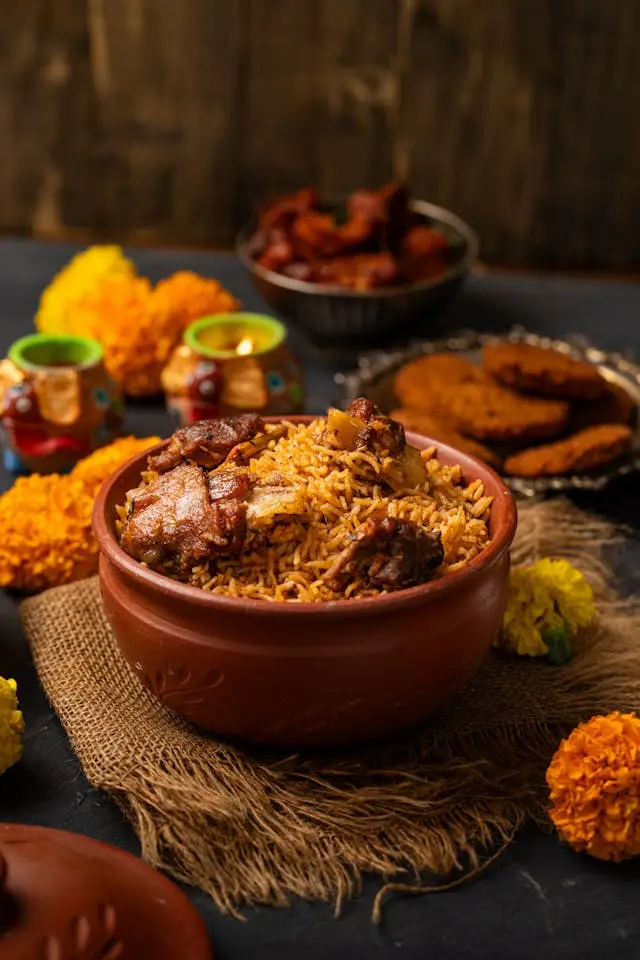
What truly sets Indian Basmati apart is its ability to cook into long, separate, non-sticky grains, making it ideal for dishes like biryani and pilaf.
India is the world’s largest producer and exporter of Basmati rice, supplying to over 100 countries. It is also protected by a Geographical Indication (GI) tag, meaning authentic Basmati can only be grown in specific regions such as Punjab, Haryana, Uttar Pradesh, Uttarakhand, Himachal Pradesh, Jammu & Kashmir, and Delhi.
Whether you are a rice importer, distributor, or buyer, understanding the different types of Basmati rice, processing grades (Raw, Steam, Sella), and key differences from other rice varieties is essential for making the right purchasing decisions.
In this complete guide, you’ll learn:
- Major types of Indian Basmati rice (1121, 1509, Traditional, Pusa)
- Basmati rice grades and how they affect quality and pricing
- Differences between Basmati vs non-Basmati rice
- How to choose the right Basmati rice for your market
Why Is Indian Basmati Rice Considered the Best in the World?
Indian Basmati rice is considered the best due to its GI protection, cultivation in Himalayan foothills, extra-long grains, strong natural aroma, and superior elongation.
This isn’t marketing. These are the reasons why India is the world’s largest Basmati exporter.
Let’s explore why Indian Basmati rice is considered the best in the world-
1. Exceptional Grain Length & Elongation
Premium varieties like 1121 Basmati have a raw grain length of around 8.2–8.4 mm. After cooking, grains can elongate up to 2–2.5 times, often reaching 16–20+ mm, which is among the highest in any rice variety.
2. Natural Aroma from 2-AP Compound
Basmati’s signature fragrance comes from 2-acetyl-1-pyrroline (2-AP), a naturally occurring compound. Rice grown in the Indo-Gangetic plains develops higher concentrations due to unique soil composition, climate, and water conditions, enhancing its aroma.
3. High Elongation Without Stickiness
Unlike most rice types, Basmati elongates significantly without becoming sticky. The grains remain long, separate, and fluffy after cooking, making it ideal for dishes like biryani and pilaf.
4. GI Tag Ensures Authenticity (Since 2016)
Indian Basmati rice is protected by a Geographical Indication (GI) tag, meaning only rice grown in designated regions of India can be marketed as “Basmati.” This provides traceability, authenticity, and legal assurance for global importers.
Why Is Basmati Rice Expensive?
- It can only be grown in specific geographic regions- supply is naturally limited
- It requires specific climate and water conditions to develop its aroma
- Premium varieties are aged for 1 to 2 years before export, increasing holding costs
- The milling process is careful- to preserve grain integrity and avoid breakage
- APEDA export standards add cost but ensure consistency
Major Types of Indian Basmati Rice
The major types of Indian Basmati rice include 1121 Basmati, 1509 Basmati, Traditional Basmati, and Pusa Basmati. These varieties differ in grain length, aroma, price, and export suitability, making each ideal for different markets and buyer needs.
1121 Basmati is the most premium and widely exported variety, 1509 Basmati is more affordable, Traditional Basmati offers the strongest aroma, and Pusa Basmati provides a balance between quality and price.
| Basmati Type | Grain Length | Aroma Level | Price Range | Best For |
| 1121 Basmati | Extra-long | High | Premium | Middle East, premium export markets |
| 1509 Basmati | Long | Medium | Affordable | Bulk buyers, Africa, price-sensitive markets |
| Traditional Basmati | Medium-long | Very high | Premium | Niche & high-end markets |
| Pusa Basmati | Long | Moderate | Mid-range | Balanced export markets |
1121 Basmati Rice
The most exported Indian Basmati variety in the world.
- Average grain length: 8.3–8.4 mm (raw), up to 22 mm when cooked
- Strong, pleasant aroma
- Maximum elongation ratio of any commercial Basmati variety
- Available in raw, steam, white sella, and golden sella grades
- Premium pricing- the standard for Middle Eastern and premium retail markets
Best for: Middle East importers, premium retail packaging, biryani restaurants, luxury hotel supply chains.
1509 Basmati Rice
An early-maturing variety that brings Basmati to market faster at a more competitive price.
- Average grain length: 7.8–8.0 mm (raw)
- Moderate aroma- not as intense as 1121 or Traditional
- Shorter growing cycle means more crop per season → lower price
- Good elongation, though slightly less than 1121
Best for: African markets, budget-conscious importers, institutional food supply, supermarket private-label products.
Traditional Basmati Rice
The original- the variety that gave Basmati its global reputation.
- Average grain length: 6.8–7.2 mm (shorter than modern hybrids)
- Exceptionally high 2-AP concentration- strongest natural aroma of any variety
- Lower yield per hectare than hybrid varieties, hence higher pricing
- Typically aged 2+ years before sale to intensify flavor
Best for: Specialty food retailers, organic/gourmet markets, South Asian diaspora communities who recognize the difference.
Pusa Basmati Rice
A hybrid developed by the Indian Agricultural Research Institute (IARI)- blends traditional quality with higher agricultural yield.
- Average grain length: 7.5–7.8 mm
- Good aroma and cooking quality
- Higher disease resistance and yield- more stable pricing
- Used for both domestic supply and mid-tier exports
Best for: Importers wanting consistent supply, domestic distributors, markets where pricing stability matters more than premium positioning.
Other Popular Rice Varieties (Basmati Rice Alternatives Explained)
When exploring Indian rice varieties, many buyers and importers come across names like Sharbati rice, Sugandha rice, Kohinoor Basmati rice, and Mogra rice. While they are widely used in global trade, not all of them are classified as true Basmati rice.
Understanding the difference helps importers choose the right product based on price, quality, and market demand.
Is Sharbati, Sugandha & Mogra Rice Basmati?
- Sharbati rice: No (Basmati alternative)
- Sugandha rice: Basmati-like hybrid
- Kohinoor rice: Brand name, not a variety
- Mogra rice: Broken Basmati rice
1. Sharbati Rice- Affordable Alternative to Basmati
Sharbati rice is a popular non-Basmati variety grown in India and often used as a budget-friendly substitute for Basmati rice.
It is also commonly referred to as a “cheap alternative to Basmati rice” due to its similar appearance at a lower cost.
Key Features:
- Long grain, but shorter than Basmati
- Mild aroma
- Soft texture after cooking
- More affordable pricing
Best For:
- Price-sensitive markets
- Bulk imports
- African and domestic markets
2. Sugandha Rice- Balanced Quality and Price
Sugandha rice is a hybrid variety that offers some characteristics of Indian basmati rice while remaining more affordable.
Key Features:
- Long grain structure
- Moderate aroma (less than traditional Basmati)
- Good elongation after cooking
- Non-sticky texture
Best For:
- Exporters targeting mid-range markets
- Buyers looking for a balance between cost and quality
3. Mogra Rice- Broken Basmati for Cost Efficiency
Mogra rice refers to broken grains of Basmati rice obtained during milling.
Key Features:
- Small broken grain pieces
- Light Basmati aroma
- Faster cooking time
- Significantly lower price
Best For:
- Hotels and catering businesses
- Bulk consumption
- Budget-conscious importers
Quick Comparison of These Rice Types
| Rice Type | Category | Aroma Level | Price Level | Best Use Case |
| Sharbati | Non-Basmati | Mild | Low | Budget markets |
| Sugandha | Basmati-like | Medium | Medium | Balanced export |
| Mogra | Broken rice | Light | Very Low | Catering & bulk |
While Sharbati, Sugandha, and Mogra rice are widely traded, they are not all true Basmati varieties. Each serves a different purpose in the global rice market, from premium dining to cost-effective bulk supply.
Understanding these differences helps importers make better purchasing decisions and align products with their market needs.
For international buyers, the choice depends on target market positioning:
- Premium markets (Middle East, Europe): True Basmati (1121, Traditional)
- Mid-range markets: Sugandha rice
- Price-sensitive markets: Sharbati rice or Mogra rice
Always request:
- Product specifications
- Grain length details
- Moisture and broken percentage
- Pre-shipment samples
Basmati Rice Grades Explained
Basmati rice is classified into Raw, Steam, and Sella (Parboiled) based on processing methods. These grades differ in texture, color, cooking behavior, and export preference, helping importers choose the right rice for their market.
Raw Basmati is softer and more natural, Steam Basmati offers better grain separation, while Sella Basmati is firmer, non-sticky, and preferred for export due to its durability and long grain appearance after cooking.
| Grade | Processing Method | Color | Texture After Cooking | Grain Separation | Best For |
| Raw Rice | Directly milled without steaming | White | Soft & slightly sticky | Medium | Retail, home consumption |
| Steam Rice | Light steaming before milling | Off-white | Soft but non-sticky | Good | Balanced markets, daily use |
| Sella Rice (Parboiled) | Soaked, steamed, then dried before milling | Yellow/Golden | Firm & non-sticky | Excellent | Middle East, bulk & export markets |
Raw Basmati Rice
The least processed form. Paddy is milled to remove the husk and bran, but no heat treatment is applied.
- Whitest in color- most visually premium
- Strongest natural aroma (no heat has affected the aromatic compounds)
- Slightly more fragile- higher chance of breakage during shipping
- Shelf life: 12–18 months
- Sensitive to humidity and temperature changes
Steam Basmati Rice
The paddy is briefly steamed before milling, partially gelatinizing the starch.
- Grains are firmer and less likely to break during milling and shipping
- Cooks fluffy and non-sticky, grains stay very separate
- Slightly less aroma than raw, but excellent cooking performance
- Shelf life: 18–24 months
- Preferred choice for Middle Eastern restaurants and catering
Parboiled Basmati Rice (Sella)
Involves soaking, steaming, and drying the paddy before milling. This drives nutrients into the grain and significantly changes its physical properties.
White Sella Basmati
- Ivory/white colored grain
- Very firm texture, grains elongate maximally during cooking
- Lower breakage, excellent shelf life (24+ months)
- Preferred in bulk export- holds up well in long storage and shipping
Golden Sella Basmati
- Distinct golden/amber hue due to deeper parboiling
- Maximum elongation, grains can reach 20–22 mm when cooked
- Very firm, slightly chewy texture
- Shelf life: 24+ months, the most durable grade for long supply chains
- Preferred in African markets and South Asian diaspora communities
Difference Between Basmati Rice and Non-Basmati Rice
Basmati rice is long-grain, aromatic, and non-sticky with strong elongation after cooking, while non-Basmati rice is shorter, less aromatic, and often sticky, making it suitable for everyday meals.
Basmati rice is preferred for premium cooking and export markets, while non-Basmati rice is ideal for cost-effective, everyday consumption due to its affordability and versatility.
| Feature | Basmati Rice | Non-Basmati Rice |
| Grain Length | 6.8 mm to 8.4 mm (long grain) | 4–6 mm (short to medium grain) |
| Aroma | Distinctive aroma (2-acetyl-1-pyrroline) | Mild or no aroma |
| Elongation | Doubles in length after cooking | Minimal elongation |
| Texture | Non-sticky, grains remain separate | Often sticky or soft |
| Price | Premium pricing | Budget-friendly |
| GI Protection | Yes (specific regions in India) | No GI protection |
| Best Use | Biryani, pulao, premium dishes | Daily meals, sushi, risotto, processed foods |
Difference between Indian Basmati Rice vs Pakistani Basmati Rice
Indian and Pakistani Basmati rice come from the same origin but differ in grain length, aroma, texture, and growing regions.
Indian Basmati typically has longer grains and a stronger aroma due to cultivation near the Himalayan foothills. In contrast, Pakistani Basmati is known for its softer texture, delicate feel, and smoother, silkier appearance after polishing.
While both share the same genetic lineage and are grown across the Indo-Gangetic plains, regional soil and processing methods create noticeable differences in quality, cooking results, and market preference.
| Feature | Indian Basmati Rice | Pakistani Basmati Rice |
| Variety Range | Wide (1121, 1509, Pusa, Traditional) | Limited (Super Basmati, Traditional) |
| Grain Length | Extra-long (especially 1121 – among the longest globally) | Long but slightly shorter |
| Aroma | Balanced to strong (varies by type) | Typically stronger, more traditional aroma |
| Elongation | Excellent elongation after cooking | Good elongation |
| Consistency | High (advanced milling, standardized processing) | Moderate (can vary by crop and exporter) |
| Supply Capacity | Very high (largest global exporter) | Lower than India |
| Price Flexibility | Wide range (budget to premium options available) | Less flexible, often mid-to-premium |
| Best For | Bulk imports, retail chains, diverse global markets | Aroma-focused and traditional preference markets |
How to Choose the Right Basmati Rice for Your Market?
Stop choosing based on price alone. Choosing the right Basmati rice depends on your target market, price positioning, and consumer preference. Importers should evaluate grain length, aroma, processing type, and budget to match the right rice with their market demand.
For Middle East Importers (UAE, Saudi Arabia, Kuwait, Qatar)
For importers in the Middle East, choosing a reliable basmati rice supplier is key.
- Preferred grade: 1121 Steam Basmati or 1121 White Sella
- Long grain and maximum elongation are non-negotiable- biryani culture demands it
- Packaging: 5 kg, 10 kg consumer bags; 25 kg wholesale bags
- Always request a grain length certificate and pre-shipment sample
Importers can explore region-specific supply options such as basmati rice export from India to the UAE, Qatar, Saudi Arabia, Kuwait, and Oman based on their market requirements.
For African Markets (Nigeria, Kenya, Tanzania, Ghana, Senegal)
- Preferred grade: 1509 Sella or Golden Sella
- Price sensitivity is higher; Golden Sella’s durability is ideal for long inland transport chains
- Packaging: 25 kg and 50 kg PP bags for bulk
- Golden Sella’s longer shelf life reduces loss in markets with inconsistent cold storage
For European and US Retail Markets
- Preferred grade: Raw Basmati or Steam Basmati
- European consumers prioritize aroma and appearance- raw Basmati delivers on both
- Packaging: 1 kg, 2 kg, 5 kg retail packs; BOPP bags with a window to show grain
- Organic-certified Basmati commands significantly higher margins in European retail
For Food Service and Restaurants
- Preferred grade: Steam Basmati (any variety)
- Consistent cooking results, no stickiness, holds well in buffet conditions
- Packaging: 25 kg bags for cost efficiency
Quality Parameters Importers Must Check Before Placing an Order
| Parameter | Acceptable Standard | What to Ask For |
| Average Grain Length | Min 7.5 mm (raw) | Lab test report with grain measurement |
| Broken Grains % | Max 1–2% | Sorting and grading certificate |
| Moisture Content | Max 12–13% | Moisture test report |
| Foreign Matter | Max 0.1% | Inspection report / pre-shipment sample |
| Color Consistency | Uniform white/golden | Visual sample + photo of grain |
| Aging | 1 year preferred, 2 years ideal | Procurement date / milling date certificate |
| Pesticide Residue | Within importing country limits | Third-party lab pesticide report |
Packaging Options for Basmati Rice Export
Basmati rice is exported in different packaging sizes and materials depending on the target market, retail positioning, and logistics requirements.
By Weight
- 1 kg / 2 kg- retail consumer packs
- 5 kg / 10 kg- family packs, supermarket standard
- 25 kg- foodservice and wholesale standard
- 50 kg- bulk commodity trade
By Bag Type
PP (Polypropylene) Bags: Cost-effective, used for 25 kg and 50 kg bulk. Functional but minimal visual appeal.
BOPP (Biaxially Oriented Polypropylene) Bags: High-quality printing, transparent window to show grain, used for retail. Premium appearance, preferred by supermarkets.
Jute Bags: Traditional, eco-friendly- niche appeal in organic and specialty markets.
Private Labeling Most Indian exporters like Alstoe offer private labeling- your brand, your design, on their product. Minimum order quantities typically start at 1–5 MT for private label.
How Does the Basmati Rice Export Process Work?
The Basmati rice export process from India involves sourcing, aging, milling, quality testing, packaging, and shipment under strict export regulations.
- Sourcing & Procurement– Miller sources paddy from GI-tagged growing regions post-harvest (Oct–Dec)
- Aging– Paddy or milled rice is stored for 1–2 years to develop flavor and reduce moisture
- Milling & Processing– Rice is milled, graded by length, and processed into the required grade (raw / steam / sella)
- Quality Check– Lab testing for grain length, broken %, moisture, pesticide residue; APEDA certificate issued
- Packaging– Packed in buyer-specified bag sizes and designs; private labeling applied if needed
- Pre-Shipment Inspection– Third-party inspection (SGS, Bureau Veritas, etc.) and sample dispatch to buyer
- Export Documentation– Bill of lading, phytosanitary certificate, certificate of origin, APEDA documents
- Shipment– Loaded at major ports (Mundra, Kandla, JNPT, Chennai) in 20-ft or 40-ft containers
Why Import Basmati Rice from India?
India is the largest producer and exporter of Basmati rice, supplying nearly 70–75% of global demand, which ensures consistent availability and reliable large-scale supply for international importers.
One of the biggest advantages of sourcing from India is quality assurance. Export standards are regulated by APEDA (Agricultural and Processed Food Products Export Development Authority), ensuring that every shipment meets strict quality, safety, and certification requirements.
India also offers the widest variety of Basmati rice in the world, including 1121, 1509, Traditional, and Pusa varieties, along with all processing grades such as Raw, Steam, and Sella. This allows importers to choose products tailored to their specific market needs and price segments.
In addition, India has a well-developed export ecosystem, including modern rice mills, advanced processing units, flexible packaging options, and access to major ports like Mundra, Kandla, and JNPT, ensuring smooth logistics and timely delivery.
Whether you are sourcing for premium retail, bulk distribution, or private labeling, Indian exporters can handle everything from small trial orders (5–10 MT) to large-volume contracts, offering competitive pricing across all quality tiers.
Common Mistakes Importers Make When Buying Basmati Rice
Many importers lose money or face quality issues due to avoidable mistakes when sourcing Basmati rice. Here are the most common ones to avoid:
1. Choosing Based on Price Only- A cheaper price on 1509 delivered to a Middle Eastern market that expects 1121 will cost you customer complaints and lost contracts. Match variety to market expectations first, then optimize price.
2. Ignoring Grain Specs- “Basmati” is not one spec. Ask for the grain length certificate. There’s a measurable difference between 7.5 mm and 8.3 mm rice- your buyers will notice even if you don’t.
3. Skipping Pre-Shipment Samples- Never place a large first order without requesting a physical sample. Test the cooking quality, aroma, and elongation yourself before committing to a container load.
4. Not Verifying Supplier Credentials- Check for APEDA registration, IEC (Import Export Code), and any certifications your market requires (FSSC 22000, BRC, Organic, Halal). A legitimate exporter will have these readily available.
5. Ordering the Wrong Grade for Your Market- Raw Basmati in a humid African market with inconsistent cold storage will spoil faster than Golden Sella would. Grade selection is about matching shelf life to your supply chain conditions.
6. Not Specifying Moisture Content- High moisture rice spoils in transit. Always specify maximum 12% moisture in your purchase agreement and ask for the moisture test report before shipment.
Wrapping Up
Indian Basmati rice stands out globally due to its unique combination of extra-long grains, natural aroma, and superior cooking performance.
With multiple varieties like 1121, 1509, Traditional, and Pusa, along with different processing grades, importers have the flexibility to choose products based on market demand, pricing, and supply conditions.
Understanding these differences from grain specifications to export processes helps buyers make informed sourcing decisions and build a reliable supply chain.
FAQs
What is Indian Basmati rice?
Indian Basmati rice is a premium long-grain aromatic rice grown in the fertile foothills of the Himalayas. It is known for its distinctive fragrance, slender grains, and unique ability to elongate after cooking without becoming sticky. This makes it ideal for dishes like biryani, pulao, and other fine cuisines.
Which Basmati rice is best for export?
1121 Basmati rice is widely considered the best for export due to its extra-long grain length, excellent elongation after cooking, and strong market demand. For premium markets like the Middle East, 1121 Steam or White Sella are preferred, while 1509 Sella is suitable for more price-sensitive bulk markets.
Which Basmati rice is the longest?
1121 Basmati rice is the longest variety available in the market. It typically has a raw grain length of over 8 mm and can elongate up to 20 mm or more after cooking. This exceptional length and visual appeal make it highly preferred in premium dining and export markets.
Why is 1121 Basmati rice expensive?
1121 Basmati rice is more expensive because of its superior grain length, high elongation ratio, and strong global demand. It also requires careful processing and quality control to maintain grain integrity, which increases production and export costs.
Which Basmati rice is the most expensive?
Traditional Basmati rice, such as Dehraduni or Taraori, is usually the most expensive due to its intense natural aroma and limited cultivation area. Its lower agricultural yield and longer aging process also contribute to its premium pricing in niche markets.
What are the different types of Basmati rice?
The main types of Indian Basmati rice include 1121, 1509, Traditional, and Pusa Basmati. Each type differs in grain length, aroma intensity, yield, and price, allowing importers and buyers to choose based on their market requirements and budget.
What is Sella Basmati rice?
Sella Basmati rice is a type of parboiled rice that undergoes soaking, steaming, and drying before milling. This process makes the grains firmer, less sticky, and more durable during storage and transportation, making it ideal for bulk export markets.
How to identify original Basmati rice?
Authentic Basmati rice can be identified by its long grain length (typically 6.8 mm or more), natural aroma even before cooking, and its ability to elongate without sticking. Genuine Indian Basmati is also backed by a GI tag and export certifications, ensuring authenticity.
What is the difference between Steam and Sella Basmati rice?
Steam Basmati rice is lightly processed with steaming before milling, which improves grain strength while retaining good aroma. Sella Basmati, on the other hand, is fully parboiled, making it firmer, more durable, and better suited for long-distance export and bulk usage.
Why does aged Basmati rice taste better?
Aged Basmati rice (typically stored for 1–2 years) has reduced moisture content, which improves cooking quality. It results in better grain separation, enhanced aroma, and a more refined texture, making it preferred for premium cooking and export markets.
Looking to Source Indian Basmati Rice?
If you’re an importer or wholesaler looking for reliable Indian Basmati rice, we supply across all major varieties and grades- 1121, 1509, Traditional, and Pusa in raw, steam, white sella, and golden sella.
We offer third-party lab testing, pre-shipment samples, private labeling, and documentation support for all major import markets.
Explore our Basmati range or request a sample to see the quality for yourself.
Explore Alstoe India Exports for more details.